
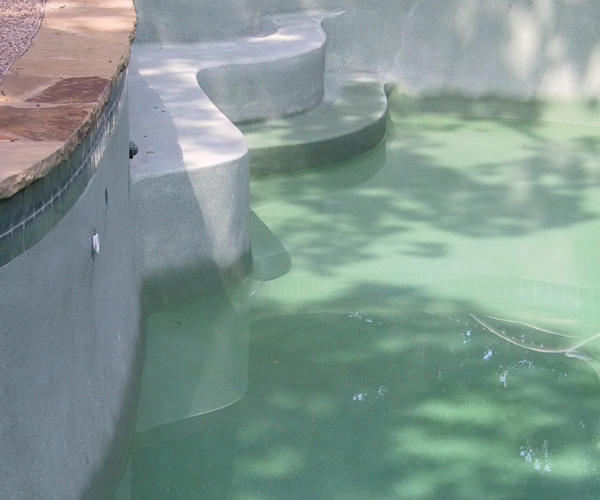
Your pool pump works hard every single day. It moves water, powers your filter, and keeps your pool clean. So when you have a failing pool pump, you will likely notice trouble fast.
Here in Chandler and across the East Valley, our pumps run year-round. Because of this, they wear out faster than pumps in cooler climates. Therefore, knowing the warning signs can save you money.
In this guide, we explain what to watch for. Additionally, we share simple tips to protect your equipment. Let’s keep your pool healthy and your wallet happy.
Why Your Pool Pump Matters So Much
The pump is the heart of your pool system. It circulates water through the filter and back to your pool. Without good circulation, your water turns cloudy or green quickly.
In Arizona, the sun and heat add extra stress. Moreover, dust storms and hard water create more strain. As a result, our pumps face tough conditions all year.
When a pump starts to fail, it often gives clues. However, many homeowners miss these early signs. Catching them early helps you avoid a full breakdown.
Loud or Unusual Noises From the Pump
A healthy pump runs with a steady, low hum. Therefore, loud sounds usually signal a problem. Pay close attention to any new noise.
Screeching or Grinding Sounds
Screeching often points to worn bearings inside the motor. Grinding can mean the same issue. In addition, these sounds tend to get worse over time.
If you hear this, do not ignore it. Bearings rarely fix themselves. Instead, the noise usually leads to a complete motor failure.
Rattling or Vibrating
Rattling may mean loose parts or debris inside the pump. Meanwhile, heavy vibration can point to a failing motor mount. Both deserve a quick inspection.
For example, a pump near a wall may rattle louder. However, that does not mean the problem is minor. A trained technician can find the true cause.
Loss of Suction or Weak Water Flow
Strong suction keeps your pool circulating well. Therefore, weak flow is a major red flag. You may notice this at your skimmer or return jets.
First, check the water level in your pool. A low level can starve the pump of water. Next, inspect the pump basket for clogs and debris.
If those look fine, the issue may be deeper. For instance, a worn impeller can reduce flow over time. Additionally, air leaks often cause the same symptom.
Air Bubbles in the Pump Basket
Air in the system usually means a suction-side leak. As a result, your pump cannot prime properly. You might see bubbles in the clear pump lid.
Common leak spots include the pump lid O-ring and fittings. Moreover, cracked unions can let air sneak in. These small parts cause big problems.
The Pump Keeps Turning Off
Does your pump shut off on its own? This often signals overheating. Furthermore, it can point to electrical trouble inside the motor.
When a motor overheats, it trips a safety switch. Then it shuts down to protect itself. However, repeated shutoffs mean the problem is growing.
In our hot Gilbert and Mesa summers, heat makes this worse. Because of this, a struggling motor may cycle off more often. Do not wait for it to quit entirely.
Tripping the Breaker
A pump that trips the breaker needs attention right away. This often means a short or a failing motor. Additionally, it can create a safety hazard.
Never reset the breaker repeatedly and hope for the best. Instead, shut the system down and call a pro. Electrical issues require careful, expert handling.
Leaks Around the Pump
Water pooling around your equipment pad is never normal. Therefore, any visible leak deserves a closer look. Small leaks often grow into bigger ones.
Leaks may come from worn seals or cracked housings. Meanwhile, loose fittings can drip steadily. In addition, age and sun damage weaken plastic parts over time.
A leaking pump can lose its prime fast. As a result, it may run dry and burn out. Quick action protects the entire motor.
Why Arizona Heat Speeds Up Wear
Our intense sun bakes plastic and rubber components. Over the years, seals dry out and crack. Furthermore, hard water can leave mineral buildup inside.
For this reason, East Valley pumps often need seal checks. Regular maintenance catches these issues early. You can learn more about our care plans through the Balanced Poolz team anytime.
Age and Constant Running
Pool pumps do not last forever. Most last several years with good care. However, our year-round Arizona use shortens that lifespan.
An older pump may struggle even when it looks fine. Moreover, it may cost more to run as it weakens. Therefore, age alone can justify a replacement.
Higher Energy Bills
A failing motor often pulls more electricity. As a result, your power bill may creep up. This sneaky sign is easy to overlook.
If your bill rises without a clear reason, consider your pump. For instance, an inefficient motor works harder for less flow. Upgrading to a variable-speed model can help a lot.
The U.S. Department of Energy offers helpful tips on energy-saving pool pumps. Variable-speed pumps use far less power than older models. Additionally, they tend to run quieter and last longer.
Cloudy or Green Water Despite Good Chemistry
Sometimes your water turns cloudy for no clear reason. You balance the chemicals, yet the problem stays. In that case, suspect your circulation.
A weak pump cannot move enough water through the filter. Therefore, debris and algae settle in. Meanwhile, chemicals fail to spread evenly.
This is common during hot Tempe and Chandler summers. Because of this, we check pump performance during every visit. Good flow keeps water crystal clear.
Simple Tips to Extend Pump Life
You can protect your pump with a few easy habits. First, keep your pump and skimmer baskets clean. Clogs make the motor work harder.
Next, maintain proper water levels at all times. Also, shade your equipment pad if you can. Direct sun ages your pump faster.
- Clear baskets regularly to protect flow and suction.
- Check for leaks around fittings and seals monthly.
- Listen for new noises each time you pass by.
- Schedule inspections with a trusted pool service team.
- Run your pump during cooler hours when possible.
Finally, do not skip routine maintenance. Regular care catches small issues early. As a result, you avoid costly emergency repairs.
When to Repair vs. Replace
Not every pump problem means replacement. Sometimes a simple seal or bearing fix works. However, the right choice depends on a few factors.
Consider the pump’s age and overall condition. Additionally, weigh the cost of repair against a new unit. A very old pump may not be worth fixing.
Our technicians help you decide with honest advice. We serve homeowners across Chandler, Gilbert, Mesa, and Tempe. Therefore, we understand local equipment and conditions well.
Frequently Asked Questions
How long should a pool pump last in Arizona?
Most pumps last several years with good care. However, year-round use here can shorten that. Regular maintenance helps you get the most life.
Can I run my pool without a working pump?
No, you should not run a pool without circulation. Without it, water grows cloudy or green fast. Therefore, fix pump issues quickly.
Is a noisy pump always a sign of failure?
Not always, but new noises deserve attention. Sometimes it is just debris in the basket. Other times it signals worn bearings.
Should I upgrade to a variable-speed pump?
Often, yes. These pumps save energy and run quietly. Moreover, they tend to last longer than single-speed models.
How often should my pump be inspected?
We recommend a check during every weekly service. This catches small problems early. As a result, you avoid surprise breakdowns.
Keep Your Pool Running Strong
A failing pool pump rarely fails without warning. So watch for noises, leaks, and weak flow. Catching these signs early saves time and money.
At Balanced Poolz, we make pool care simple and stress-free. We provide weekly cleaning, repairs, and expert equipment help. Additionally, we send detailed reports with photos every visit.
Ready for reliable service across the East Valley? Contact the Balanced Poolz team to discuss your pool today. Request a free quote and explore your options with no long-term contract.