
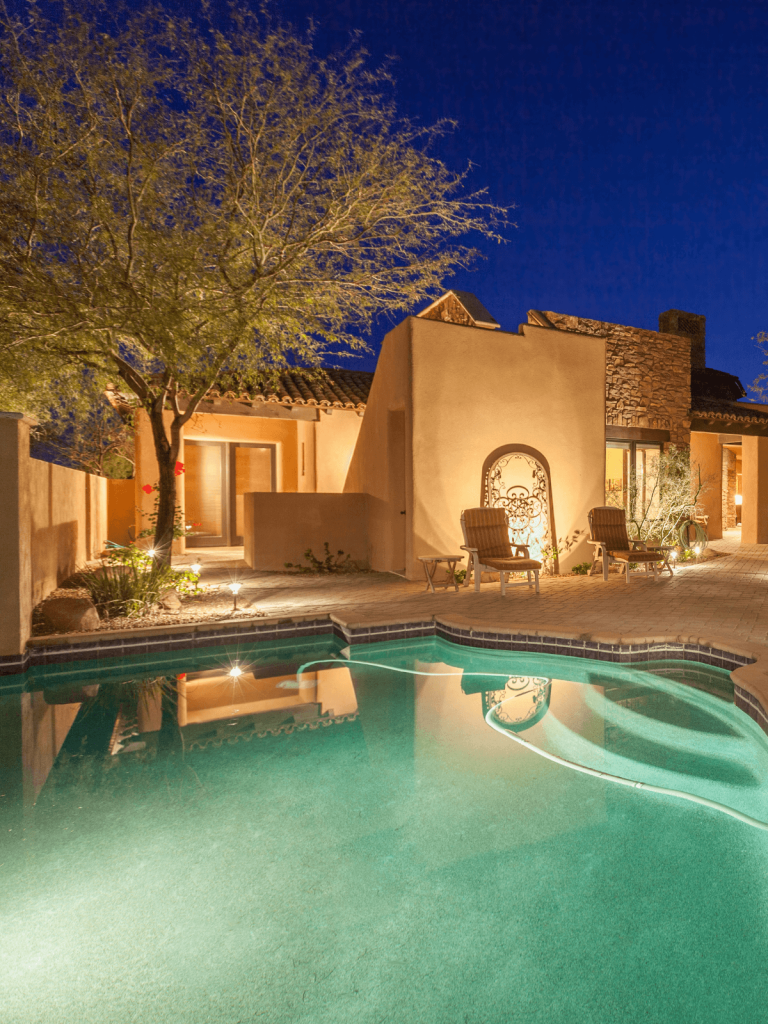
Do you need to drain pool water at your Tempe home? Draining a pool sounds simple, but it can go wrong fast. In Arizona’s dry climate, timing and technique matter more than you might think.
At Balanced Poolz, we help pool owners across Tempe and the East Valley make smart draining decisions. Therefore, we put together this guide to walk you through the process. Let’s dive in.
First, we’ll explain when draining makes sense. Next, we’ll cover the risks. Finally, we’ll share practical tips you can trust.
When Should You Drain Your Pool?
Draining is not something you do often. In fact, most pools only need it every few years. However, certain situations call for a full or partial drain.
For example, high total dissolved solids can cloud your water. Because of this, no amount of chemicals will fully fix the problem. As a result, draining becomes the only real solution.
Common Reasons to Drain
- High dissolved solids: Salt and minerals build up over time.
- Stubborn algae: Severe green-to-clean cases sometimes need fresh water.
- Surface repairs: Plaster, tile, or acid washing may require an empty pool.
- Calcium buildup: Hard water leaves scale that resists treatment.
Additionally, older pools in Tempe often collect debris and stains. Meanwhile, homes near Gilbert and Mesa face similar hard-water issues. Therefore, draining can reset your water and surfaces.
The Risks of Draining a Pool in Arizona
Draining is not without danger. Our desert heat creates unique problems. As a result, you must plan carefully before you start.
First, empty pools can crack in extreme sun. Plaster dries out and becomes brittle. Moreover, exposed surfaces can fade or discolor quickly.
Pool Popping Explained
One serious risk is called “pool popping.” This happens when groundwater pushes an empty pool upward. However, this is rare in Tempe’s dry soil.
Still, you should never leave a pool empty for long. Instead, refill it as soon as work finishes. Because of this, timing your project matters a lot.
Also, draining onto your yard can flood plants and neighbors. Therefore, you must follow local drainage rules. For guidance on safe water disposal, review the EPA guidance on swimming pool discharges.
How to Drain a Pool Safely
Draining takes patience and the right tools. Below is a general overview of the process. However, we recommend professional help for larger jobs.
Step 1: Choose the Right Time
Avoid draining during the hottest summer months. Instead, pick cooler mornings in spring or fall. As a result, your surfaces stay protected from harsh sun.
Also, check the weather forecast first. Rain can complicate drainage and timing. Therefore, dry days work best for this project.
Step 2: Gather Your Equipment
- A submersible pump with enough capacity
- Long drainage hoses that reach a proper outlet
- A garden hose for refilling
- Test kits for balancing new water
Next, confirm where the water will go. Many Tempe neighborhoods require water to drain into a sewer cleanout. Meanwhile, some areas allow limited yard drainage.
Step 3: Pump the Water Out
Place your submersible pump at the deepest point. Then, run the hose to your chosen outlet. Monitor the process the entire time.
Never walk away and leave a pump running. Because of this, you avoid flooding and damage. Additionally, watch for the water level dropping steadily.
Step 4: Work Quickly on the Empty Pool
Once empty, act fast. Clean, repair, or acid wash the surface right away. Furthermore, keep the exposed pool shaded if possible.
Finally, refill promptly once your work is done. The faster you refill, the safer your plaster stays. As a result, you protect your investment.
Balancing Water After You Refill
Fresh water is not automatically balanced water. Tempe tap water often carries hardness and minerals. Therefore, testing is your first step after refilling.
Start by checking pH and alkalinity. Then, adjust chlorine to a safe swimming level. Also, test calcium hardness for your surface type.
Getting Chemistry Right
Balancing new water takes a few days. However, patience pays off with clear, healthy water. Moreover, proper chemistry protects your equipment long term.
If this feels overwhelming, we can help. Our team handles the entire process for you. Explore your options with Balanced Poolz and let us balance your water.
Partial Draining as an Alternative
You do not always need a full drain. Sometimes a partial drain solves the problem. This method lowers risk and saves water.
For example, high dissolved solids often improve with a partial swap. First, you drain part of the water. Then, you refill with fresh water to dilute buildup.
Additionally, partial draining reduces pool-popping risk. Because of this, it works well in areas with higher groundwater. Meanwhile, it also uses less water overall.
When Partial Draining Works Best
- Moderate dissolved solids that need dilution
- Slightly cloudy water that resists chemicals
- Routine maintenance in older Mesa or Gilbert pools
However, severe issues still need a full drain. Therefore, a professional inspection helps you decide. We assess each pool before recommending a plan.
Why Local Experience Matters in the East Valley
Tempe pools face specific challenges. Our climate, water, and soil all play a role. Therefore, local knowledge makes a real difference.
For example, homes near Arizona State University often have older pools. Meanwhile, newer builds in Chandler and Gilbert have modern equipment. As a result, each pool needs a tailored approach.
Serving the Greater Phoenix Area
Balanced Poolz serves Chandler, Gilbert, Mesa, and Tempe. We understand East Valley water conditions well. Furthermore, we know how heat affects your surfaces.
Because of this, we time draining projects carefully. We also protect your plaster during every job. Ready to talk? Contact the Balanced Poolz team to discuss your pool.
Frequently Asked Questions
How often should I drain my pool?
Most pools need draining every three to five years. However, this varies by water quality and usage. Regular testing helps you know when it’s time.
Can I drain my pool in summer?
We do not recommend it. Extreme heat can crack exposed plaster fast. Instead, choose cooler spring or fall days.
Where does the drained water go?
Many Tempe homes drain into a sewer cleanout. However, rules vary by location. Therefore, always check your local requirements first.
Is draining safe to do myself?
Small pools can be a DIY project. However, mistakes can cause costly damage. As a result, many owners prefer professional help.
How long can a pool stay empty?
Keep the empty time as short as possible. Ideally, refill within a day or two. Because of this, you reduce cracking and popping risks.
Ready to Drain Your Pool the Right Way?
Draining a pool takes planning, timing, and care. Fortunately, you don’t have to handle it alone. Our team makes the process simple and stress-free.
We offer weekly cleaning, acid washing, and expert repairs. Moreover, we back our work with a 30-day money-back guarantee. We also require no long-term contract.
So, are you ready for clear, healthy water? Request a free quote today. Let Balanced Poolz keep your Tempe pool crystal clear year-round.