
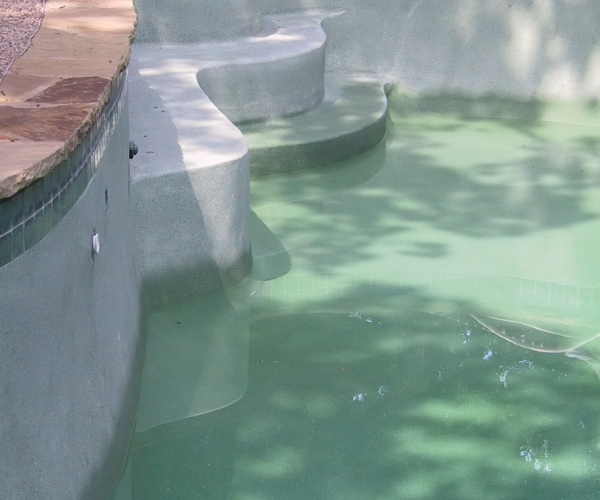
Your pool pump is the heart of your entire system. When it fails, water stops circulating and problems build fast. That is why timely pump repair matters so much for Chandler pool owners.
Here in the East Valley, our pools run hard all year. The desert heat pushes equipment to its limits daily. As a result, pumps wear out sooner than many homeowners expect.
In this guide, we explain how pool pumps work and how they fail. Additionally, we share simple tips to spot trouble early. Let’s dive in.
What Your Pool Pump Actually Does
Think of the pump as your pool’s circulatory system. It pulls water from the pool and pushes it through the filter. Then it sends clean water back to the pool.
This constant movement keeps your water clear and healthy. Moreover, it distributes chemicals evenly across the whole pool. Without good circulation, algae and cloudy water take over quickly.
The Main Pump Components
A typical pool pump has several key parts. Each one plays an important role. When any part fails, the whole system suffers.
- Motor: Powers the spinning impeller inside.
- Impeller: Moves water through the housing.
- Seals and gaskets: Keep water where it belongs.
- Bearings: Let the motor shaft spin smoothly.
- Basket: Traps leaves and large debris.
Because these parts work together, one weak link causes bigger issues. Therefore, catching problems early saves money.
Common Signs You Need Pump Repair
Most pumps warn you before they quit completely. However, many homeowners miss these early signals. Learning the signs helps you act fast.
Strange Noises
A healthy pump runs with a steady, low hum. On the other hand, grinding or screeching sounds mean trouble. Often, worn bearings cause that loud screech.
Rattling usually points to debris or a loose part. Meanwhile, a whining noise can signal a struggling motor. Do not ignore new sounds.
Leaks Around the Pump
Water pooling under the pump is never normal. Usually, failed seals or cracked housings cause leaks. Because of this, the pump loses prime and pressure.
In our hot Chandler climate, seals dry out and crack faster. Furthermore, a small leak often grows quickly. Address it before the motor gets wet.
Loss of Suction or Pressure
Weak water flow points to a circulation problem. First, check the basket for clogs. Next, look at the water level in your pool.
If those look fine, the impeller may be blocked or worn. Additionally, air leaks in the suction line reduce flow. A technician can pinpoint the exact cause.
The Pump Keeps Shutting Off
A pump that turns off on its own often overheats. Also, tripped breakers can signal electrical faults. These issues need professional attention right away.
Why Chandler Pools Are Hard on Pumps
The East Valley environment is tough on pool equipment. Our long summers keep pumps running for many hours daily. As a result, motors and bearings wear down faster here.
Intense sun also degrades plastic parts over time. Moreover, hard water leaves mineral buildup inside the system. This buildup restricts flow and strains the motor.
Local Conditions Across the East Valley
Pool owners in Gilbert and Mesa face the same challenges. Meanwhile, dust storms push fine debris into pump baskets. Tempe pools near mature trees deal with extra leaves and organic matter.
Because of these factors, regular inspections truly help. For example, a quick monthly check catches small clogs early. Therefore, your pump lasts longer and runs efficiently.
Repair or Replace? How to Decide
Not every pump problem means buying a new unit. Sometimes a simple repair solves everything. However, timing and cost matter in this decision.
When Repair Makes Sense
Repair often works well for newer pumps. For example, replacing a seal or capacitor is quick and affordable. Also, cleaning a clogged impeller restores flow fast.
If your pump is only a few years old, repair usually wins. Additionally, minor part swaps extend its life nicely.
When Replacement Is Smarter
Older pumps often need frequent, costly fixes. In that case, replacement makes better financial sense. Furthermore, new variable-speed pumps use far less energy.
Upgrading can lower your monthly power bill noticeably. Because Arizona summers run pumps so long, efficiency pays off. To learn about energy-efficient options, the U.S. Department of Energy offers helpful guidance on energy-efficient pool pumps.
Not sure which choice fits your pool? Contact the Balanced Poolz team to discuss your options. We help you weigh cost and long-term value.
Simple Steps to Protect Your Pump
Good habits keep your pump healthy for years. Meanwhile, they reduce the odds of surprise breakdowns. These simple steps make a real difference.
- Clean the basket weekly: Remove leaves and debris often.
- Keep water levels correct: Low water causes the pump to run dry.
- Listen for new sounds: Catch problems before they grow.
- Watch for leaks: Fix drips before the motor gets wet.
- Schedule regular inspections: A pro spots hidden wear early.
Because these tasks take little time, they save real money. Therefore, add them to your routine today.
Do Not Run a Dry Pump
Running a pump without water is very harmful. Quickly, the seals overheat and fail. Always confirm proper water levels first.
During monsoon season, debris clogs lines fast. As a result, flow can drop without warning. Check your system after big storms.
Why Professional Pump Repair Matters
Pool pumps combine electricity and water. That mix makes DIY repairs risky. Therefore, professional help keeps you safe.
A trained technician diagnoses the true cause quickly. Additionally, we carry the right parts and tools. This saves you time and frustration.
What to Expect From a Service Visit
First, we inspect the whole system carefully. Next, we test the motor, seals, and electrical connections. Then we explain your options in plain language.
We serve pool owners across Chandler, Gilbert, Mesa, and Tempe. Moreover, we keep you informed with clear updates. You always know what is happening with your pool.
Ready to fix a struggling pump? Request a free quote from our friendly team. We respond quickly and treat every pool with care.
Frequently Asked Questions
How long do pool pumps usually last?
Most pumps last several years with good care. However, our intense Arizona heat can shorten that lifespan. Regular maintenance helps you get the most from yours.
Why is my pump so loud?
Loud grinding often means worn bearings. Meanwhile, rattling usually points to debris or loose parts. A technician can confirm the cause quickly.
Can I repair a leaking pump myself?
Small tasks like cleaning the basket are fine. However, leaks and electrical issues need a pro. Because water and power mix here, safety comes first.
Should I upgrade to a variable-speed pump?
Often, yes. Variable-speed pumps use less energy than older models. As a result, many East Valley owners see lower power bills.
How often should I inspect my pump?
Check the basket weekly and listen for new sounds. Additionally, schedule a professional inspection regularly. This catches hidden wear before it becomes costly.
Keep Your Pool Running Strong
A healthy pump keeps your water clear and inviting. Because the desert is tough on equipment, small habits matter. Watch for warning signs and act early.
At Balanced Poolz, we handle pump repairs across the East Valley. Moreover, we back our work with a 30-day money-back guarantee. There are no long-term contracts either.
Do not let a failing pump ruin your swim season. Explore your options with our experienced technicians today. Reach out, and we will get your pool flowing again fast.