
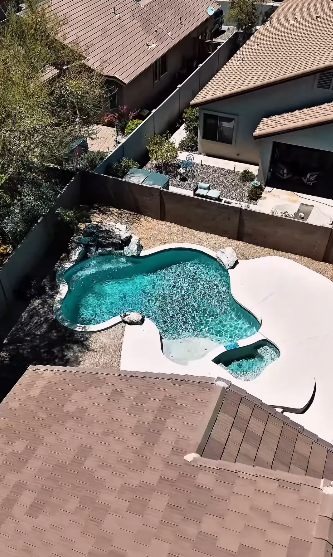
Is your pool water cold when it should be warm? A failing heater can cut your swim season short fast. That is why timely heater repair matters so much for pool owners across Tempe and the East Valley.
At Balanced Poolz, we help homeowners keep their pools warm and ready year-round. Our team understands the quirks of Arizona pool equipment. Therefore, we know how to spot heater trouble early.
In this guide, we explain common heater problems, warning signs, and smart fixes. Additionally, we share tips to help your heater last longer. Let’s dive in.
Why Pool Heaters Matter in Tempe
Many people assume Arizona pools stay warm on their own. However, that is not true during cooler months. From late fall through early spring, water temperatures drop quickly.
Because of this, a working heater extends your swim season. Families in Tempe, Chandler, and Gilbert rely on heaters for comfort. Moreover, warm water makes hot tubs and spas usable all year.
A broken heater means cold, unusable water. As a result, prompt repair keeps your investment paying off. Meanwhile, ignoring the problem often makes it worse.
Types of Pool Heaters
Most East Valley homes use one of three heater types. First, gas heaters warm water fast using natural gas or propane. Next, heat pumps pull warmth from the air efficiently.
Finally, solar heaters use panels and sunlight. Each type has unique repair needs. Therefore, knowing your heater helps you understand the fix.
Common Pool Heater Problems We See
Pool heaters fail for many reasons. However, a few issues show up again and again. Here are the most common ones in Tempe area pools.
- No ignition: The heater will not start or stay lit.
- Low or no heat: Water stays cold despite running.
- Short cycling: The heater turns on and off quickly.
- Error codes: The display shows fault messages.
- Corrosion or leaks: Water damages internal parts.
Each symptom points to a different cause. For example, low heat may mean a dirty filter or low flow. On the other hand, no ignition often signals a gas or electrical fault.
Ignition and Pilot Issues
Gas heaters need a strong, steady flame. However, dust and debris can block the igniter. Also, a faulty flame sensor may shut the unit down.
These parts wear out over time. Therefore, professional cleaning and testing often restore normal function. Meanwhile, DIY attempts on gas parts can be risky.
Water Flow Problems
Heaters need proper water flow to work safely. A clogged filter reduces that flow. As a result, the heater may not fire at all.
Additionally, a weak pump can trigger safety shutdowns. Because of this, we always check the pump and filter first. Often, clearing a blockage solves the issue quickly.
Warning Signs You Need Heater Repair
Catching problems early saves money. Moreover, it prevents bigger failures down the road. Watch for these clear warning signs.
- Water takes far longer than usual to warm.
- The heater makes loud clicking or rumbling noises.
- You notice water pooling near the unit.
- The display flashes error codes repeatedly.
- You smell gas near a gas-powered heater.
If you smell gas, shut off the unit immediately. Then, call a professional right away. Because of this, safety always comes first.
Rising Energy Bills
A struggling heater often uses more energy. Therefore, a sudden spike in bills can signal trouble. Meanwhile, a well-maintained heater runs efficiently.
We help homeowners in Mesa and Tempe spot these patterns. As a result, they catch small issues before they grow. Regular checkups make a big difference.
Why Arizona Conditions Affect Your Heater
The desert climate is tough on pool equipment. First, hard water leaves mineral buildup inside heaters. This scale reduces heat transfer over time.
Next, dust and monsoon debris clog vents and burners. Also, intense summer heat stresses electronic parts. Therefore, East Valley heaters need extra attention.
Balanced water chemistry protects your heater, too. The CDC’s healthy swimming guidance highlights why proper pool care supports safe, clean water. Because of this, we test chemistry during every visit.
Hard Water and Scale Buildup
Tempe and Chandler have notably hard water. Over time, calcium builds up inside the heat exchanger. As a result, the heater works harder and heats slower.
Regular chemical balancing slows this buildup. Additionally, occasional descaling keeps parts clean. Therefore, water quality directly affects heater lifespan.
Our Pool Heater Repair Process
We follow a clear, careful process for every repair. First, we inspect the entire heater system. Then, we test flow, ignition, and electrical parts.
Next, we diagnose the root cause, not just the symptom. After that, we explain your options in plain language. Finally, we complete the repair with quality parts.
We keep you informed the whole time. Moreover, we send photos and clear service notes. As a result, you always know what we did and why.
Repair or Replace?
Sometimes repair makes the most sense. Other times, replacement is the smarter choice. Several factors guide this decision.
- Age: Older heaters near the end of life may need replacing.
- Repair cost: Frequent fixes add up quickly.
- Efficiency: Newer models often save on energy.
- Part availability: Some older parts are hard to find.
We never push unneeded work. Instead, we give honest advice. Therefore, you can choose what fits your budget and goals.
Preventive Tips to Extend Heater Life
Good habits keep your heater running longer. However, small steps make a big difference. Follow these simple tips at home.
- Keep your filter clean for steady water flow.
- Maintain balanced chemistry to prevent scale.
- Clear debris and leaves away from the unit.
- Watch for early warning signs and act fast.
- Schedule regular professional inspections.
Consistent care prevents surprise breakdowns. Moreover, it protects your seasonal swim time. As a result, you spend more time enjoying your pool.
Partner With a Local Pro
Routine service catches problems early. Because of this, professional maintenance pays off. Our team serves Chandler, Gilbert, Mesa, and Tempe every week.
We treat every pool like our own. Additionally, we build trust through clear communication. Explore your options and reach out to the Balanced Poolz team to keep your heater in top shape.
Frequently Asked Questions
How long do pool heaters usually last?
Most heaters last several years with good care. However, hard water and neglect shorten that lifespan. Therefore, regular maintenance is key.
Can I repair my pool heater myself?
Simple tasks like cleaning filters are fine. However, gas and electrical repairs need a pro. Because of this, safety should always come first.
Why is my heater running but not heating?
Low water flow is a common cause. Also, scale buildup or a faulty sensor may be to blame. A professional diagnosis finds the real issue.
Does hard water really hurt my heater?
Yes, hard water causes scale buildup inside. As a result, the heater loses efficiency over time. Balanced chemistry helps prevent this.
How often should I service my heater?
An annual checkup works well for most pools. However, older units may need more attention. Regular service prevents costly repairs.
Keep Your Pool Warm All Season
A working heater keeps your pool enjoyable year-round. However, small problems can grow fast without attention. Therefore, prompt repair protects your comfort and investment.
Balanced Poolz proudly serves Tempe, Chandler, Gilbert, and Mesa. Moreover, we back our work with a 30-day money-back guarantee. We also require no long-term contract.
Ready to fix your heater and enjoy warm water again? Contact the Balanced Poolz team today. Request a free quote and let us keep your pool crystal clear.