
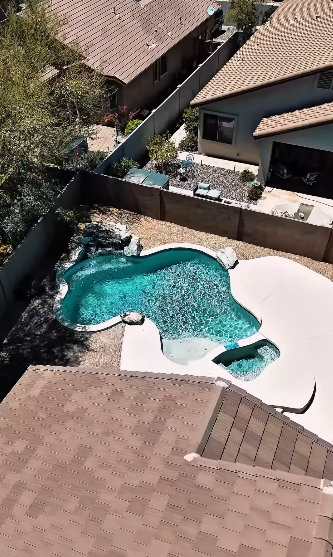
Thinking about a saltwater pool? A quality salt system can change how you enjoy your backyard in Gilbert, Arizona. Many East Valley homeowners love the softer feel of salt-treated water. As a result, salt systems have become one of the most requested upgrades in our area.
At Balanced Poolz, we install and maintain these systems for pool owners across Gilbert, Chandler, Mesa, and Tempe. Therefore, we know what works best in our hot desert climate. This guide breaks down the basics in simple terms.
Below, you will learn how salt systems work, what installation involves, and how to care for one. Additionally, we cover common questions we hear from local homeowners every week.
What Is a Salt System?
A salt system, also called a salt chlorine generator, makes chlorine from salt. First, you add salt to the pool water. Then, the generator passes the water through a special cell.
Inside that cell, a small electric charge splits the salt. As a result, the water produces its own chlorine automatically. Because of this, you do not need to buy and store chlorine tablets.
Is a Saltwater Pool the Same as the Ocean?
No, and this surprises many first-time owners. Ocean water holds far more salt than a saltwater pool. In fact, the salt level in your pool is very mild.
Most swimmers barely notice it. However, they do notice the smoother, gentler feel on skin and eyes. Therefore, families with kids often prefer this option.
Why Gilbert Homeowners Choose Salt Systems
Our East Valley summers push pools hard. Meanwhile, high heat and heavy use burn through chlorine fast. A salt system produces chlorine steadily, which helps in these conditions.
Additionally, salt-treated water feels softer than traditional chlorinated water. Many Gilbert families tell us swimming feels more comfortable. On the other hand, some homeowners simply want less hassle.
Key Benefits for Local Pools
- Fewer chemical runs. You skip frequent trips for chlorine tablets.
- Gentler water. Less irritation for eyes and skin.
- Steady sanitation. The system runs while your pump runs.
- Lower daily effort. Ideal for busy Chandler and Mesa households.
That said, a salt system is not fully hands-off. You still need regular testing and balancing. Therefore, ongoing maintenance still matters year-round.
How Salt System Installation Works
Installation is a straightforward process for a trained technician. First, we inspect your existing equipment pad. Next, we confirm your pump and plumbing can support a new cell.
Then, we install the salt cell into your return plumbing line. After that, we mount the control unit near your equipment. Finally, we wire it safely and test everything.
Adding Salt to the Pool
Once the hardware is in place, we add pool-grade salt. We calculate the right amount based on your pool volume. As a result, the water reaches the correct salt level.
Next, we let the salt fully dissolve and circulate. Then, we power on the generator and set output levels. Because of this careful setup, your system starts strong.
Matching the System to Your Pool
Not every salt system fits every pool. For example, a large Gilbert backyard pool needs a bigger cell. Meanwhile, a smaller Tempe spa-and-pool combo may need less capacity.
We size the unit to your pool volume and usage. Therefore, the system runs efficiently without straining. This step protects both performance and equipment life.
What to Expect After Installation
Your new salt system needs a short break-in period. First, salt levels must stabilize across the whole pool. Then, chlorine output settles into a steady rhythm.
During this time, we check water balance closely. Additionally, we fine-tune the output percentage. As a result, your pool reaches clear, healthy water without guesswork.
Ongoing Water Balance Still Matters
A salt system handles chlorine, but not everything. You still need balanced pH, alkalinity, and stabilizer. In our desert climate, evaporation shifts these levels quickly.
Therefore, regular testing keeps the water safe and comfortable. Moreover, balanced water protects your cell from wear. Our weekly service handles this for you automatically.
Salt Cell Care in the Arizona Climate
The salt cell is the heart of your system. Over time, mineral scale can build up inside it. Because of our hard water in the East Valley, this happens faster here.
As a result, cells need periodic cleaning. First, we inspect the cell for scale and buildup. Then, we clean it carefully to restore output.
Simple Tips to Extend Cell Life
- Keep water balanced. High calcium speeds up scaling.
- Check salt levels monthly. Too low strains the cell.
- Inspect the cell seasonally. Catch scale early.
- Run adequate pump hours. This spreads chlorine evenly.
Following these tips helps your investment last longer. However, professional care makes a real difference too. Meanwhile, we track cell condition during every visit.
Common Salt System Mistakes to Avoid
Even great systems can struggle from small errors. First, some owners add too much salt at once. Then, the water sits high and hard to correct.
Additionally, others ignore pH drift, which climbs with salt use. As a result, water turns cloudy or scale forms. Therefore, steady monitoring prevents most problems.
Do Not Skip Winter Care
Our winters stay mild, so pools rarely close fully. However, cooler water changes how chlorine generates. Because of this, you may need to adjust output settings.
We handle these seasonal shifts for local homeowners. Explore your options with a service plan built for our climate. As a result, your pool stays balanced through every season.
Is a Salt System Right for Your Pool?
Salt systems fit most residential pools in Gilbert and beyond. However, the right choice depends on your setup and goals. For example, older plumbing may need minor upgrades first.
We assess your equipment before recommending anything. Therefore, you get honest advice, not a hard sell. Our goal is a system that truly fits your home.
Great Fit for East Valley Families
Busy households across Chandler, Mesa, and Tempe love the convenience. Additionally, families with sensitive skin often prefer salt-treated water. Meanwhile, low-maintenance homeowners enjoy fewer chemical chores.
Still, every pool is unique. So we always evaluate yours in person. That way, you make a confident, informed decision.
Frequently Asked Questions
How much salt does a pool need?
The amount depends on your pool volume. Generally, salt levels stay mild and comfortable. We calculate the exact amount during installation.
Does a salt system remove all chemical maintenance?
No, it only handles chlorine production. You still balance pH, alkalinity, and stabilizer. Therefore, regular testing remains important.
How long do salt cells last?
Cell life varies with water quality and care. In our hard-water region, balanced water extends lifespan. Additionally, routine cleaning helps a lot.
Can I switch my existing pool to salt?
Yes, most pools convert easily. First, we inspect your equipment. Then, we install and set up the system.
Will a salt system damage my pool?
Not when installed and maintained correctly. However, poor balance can cause scaling. Therefore, professional care protects your surfaces and equipment.
Ready to Upgrade to a Salt System?
A properly installed salt system makes pool care simpler and more enjoyable. Moreover, it delivers the softer water East Valley families love. However, the right setup and ongoing care make all the difference.
Balanced Poolz has served Gilbert, Chandler, Mesa, and Tempe since 2020. Therefore, we understand our unique desert conditions well. We back our work with a 30-day money-back guarantee and no long-term contract.
Want to explore a salt system for your pool? Contact our team today to request a free quote. As a result, you can enjoy cleaner, softer water all year long.