
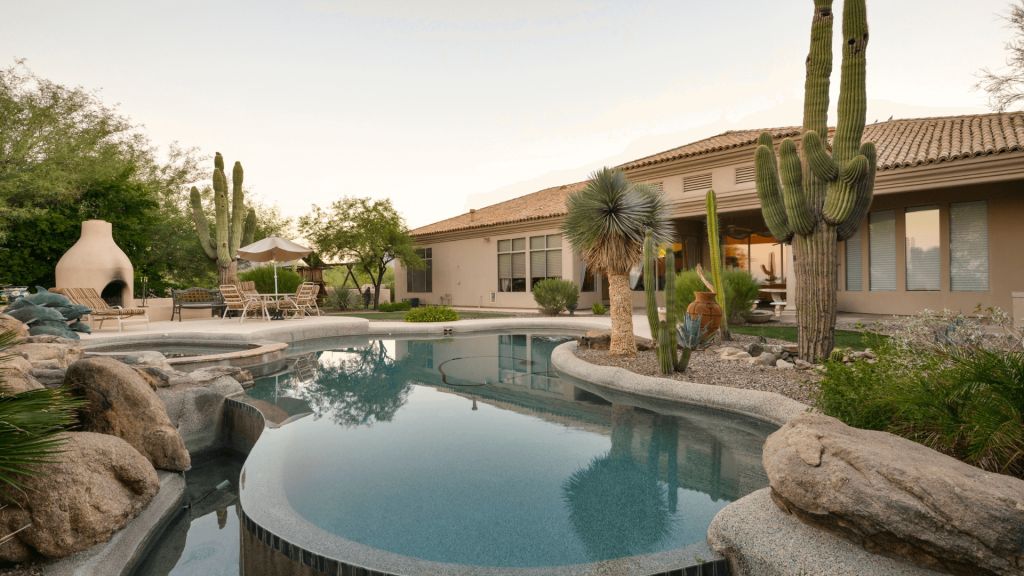
Is your pool losing water faster than usual? If so, you may need professional leak detection for your Chandler pool. A hidden leak can waste water, raise your bills, and even damage nearby landscaping.
Here in the East Valley, our dry heat causes normal evaporation. However, a real leak looks very different. Knowing the difference matters for every pool owner.
At Balanced Poolz, we help homeowners across Chandler, Gilbert, Mesa, and Tempe find and fix leaks. In this guide, we explain what to expect during the process. As a result, you will feel confident before the technician arrives.
Why Pool Leaks Happen in the East Valley
Arizona pools face harsh conditions year-round. The intense sun, hard water, and ground movement all take a toll. Because of this, leaks are more common than many owners expect.
Several parts of your pool can develop leaks over time. Therefore, understanding the common causes helps you spot trouble early.
Common Sources of Pool Leaks
- Plumbing lines: Underground pipes can crack or loosen.
- Pool shell: Plaster and gunite may crack with age.
- Fittings and returns: Seals around jets often wear out.
- Skimmers: Cracks form where the skimmer meets the pool wall.
- Equipment pad: Pumps, filters, and valves can leak too.
Our clay-heavy soil shifts as it dries and expands. Consequently, this movement stresses pipes and pool structures. Meanwhile, older pools in established Chandler neighborhoods often show more wear.
Signs You May Have a Pool Leak
Not every water drop signals a leak. However, certain patterns strongly suggest one. First, watch how much water your pool loses each week.
In our climate, evaporation causes some loss during summer. On the other hand, a fast drop points to a real problem.
Warning Signs to Watch
- The water level drops more than a normal amount weekly.
- You refill the pool far more often than before.
- Wet or soggy spots appear around the pool deck.
- Cracks show up in the plaster or tile line.
- Your water bill rises without a clear reason.
- Algae keeps returning despite proper chemical care.
Also, air bubbles in your return jets can signal a suction-side leak. If you notice these signs, act quickly. As a result, you can prevent bigger and costlier damage.
The Simple Bucket Test
Want a quick check before calling a pro? Try the bucket test at home. First, fill a bucket with pool water and mark the level.
Next, place it on a step and mark the pool level too. Then wait 24 hours and compare both drops. If the pool dropped more than the bucket, you likely have a leak.
How Professional Leak Detection Works
Many owners worry that leak detection means tearing up the yard. Fortunately, that is rarely the case today. Modern methods are precise and minimally invasive.
At Balanced Poolz, we use proven techniques to pinpoint the source. Therefore, we avoid unnecessary digging or guesswork.
Step 1: Inspection and Evaluation
First, our technician inspects the entire pool system. We check the shell, tile, skimmers, and returns closely. Additionally, we review the equipment pad for visible leaks.
This first look often reveals obvious problem areas. Meanwhile, it helps us plan the next testing steps.
Step 2: Pressure Testing the Plumbing
Next, we may pressure-test the underground plumbing lines. This method isolates each pipe and checks for pressure loss. As a result, we can tell if the leak sits in the plumbing.
Because pipes hide underground, pressure testing saves time. Furthermore, it prevents unneeded digging across your yard.
Step 3: Dye Testing and Listening Equipment
For shell leaks, we often use dye testing. We release a small amount of dye near suspected cracks. Then we watch to see if the dye gets pulled in.
In addition, specialized listening devices help find hidden leaks. These tools detect the faint sound of escaping water. Consequently, our team locates leaks with strong accuracy.
What Happens After the Leak Is Found
Finding the leak is only the first half of the job. After that, the right repair keeps your pool healthy. The fix depends on where the leak sits.
We always explain your options clearly before any work begins. Therefore, you stay informed every step of the way.
Common Leak Repairs
- Plumbing repairs: We patch or replace damaged pipe sections.
- Shell patching: We seal cracks in plaster or gunite.
- Skimmer repairs: We fix or reseal cracked skimmers.
- Fitting replacement: We swap worn seals around returns and jets.
- Equipment fixes: We repair leaking pumps, filters, or valves.
Some repairs finish in a single visit. However, larger structural issues may need more time. In every case, we aim for a lasting solution, not a quick patch.
Why Local Experience Matters in Chandler
Every region has its own pool challenges. Our East Valley climate is uniquely demanding. Because of this, local knowledge makes a real difference.
We serve homeowners throughout Chandler, Gilbert, Mesa, and Tempe. As a result, we understand how local soil and heat affect pools. Meanwhile, we know the equipment common in these communities.
Serving the Greater East Valley
From Ocotillo in Chandler to neighborhoods near Val Vista in Gilbert, we cover a wide area. Additionally, we help pool owners across Mesa and Tempe. Our team treats every pool like it is our own.
Want to protect your pool from hidden leaks? Contact our team to schedule a leak detection visit today.
How to Prevent Future Pool Leaks
Prevention beats repair every single time. Fortunately, simple habits reduce your leak risk. First, keep up with regular pool maintenance.
Balanced sunscreen water chemistry protects your pool’s surfaces. Moreover, routine inspections catch small problems early.
Simple Prevention Tips
- Schedule regular professional maintenance and inspections.
- Keep your water chemistry balanced year-round.
- Watch your water level and refill patterns weekly.
- Address small cracks before they grow larger.
- Check your equipment pad for drips often.
Our weekly service includes brushing, skimming, and chemical testing. In addition, we inspect equipment during every visit. Because of this, we often spot leaks before they worsen.
Frequently Asked Questions
How do I know if it is evaporation or a leak?
Evaporation is slow and steady in our climate. However, a leak causes faster, larger water loss. The bucket test helps you tell the difference quickly.
Does leak detection damage my pool or yard?
No, modern leak detection is minimally invasive. We use pressure tests, dye, and listening tools first. Therefore, digging is often a last resort.
How long does leak detection take?
Most inspections take a few hours to complete. However, complex cases may need extra time. We always keep you updated throughout the process.
Can I fix a pool leak myself?
Some minor leaks look easy to patch. However, hidden leaks require professional tools. As a result, DIY attempts often miss the true source.
How often should I check for leaks?
Watch your water level every week for changes. Additionally, schedule regular inspections with a trusted pool pro. This habit catches problems early.
Keep Your Chandler Pool Leak-Free
A hidden leak drains your water, money, and peace of mind. However, early detection makes repairs faster and easier. Therefore, do not ignore unusual water loss.
At Balanced Poolz, we deliver affordable, reliable, and honest pool care. We back our work with a 30-day money-back guarantee. Moreover, we never require a long-term contract.
Ready to solve your pool leak worries? Explore your options and request a free quote from our friendly team. Finally, let us help keep your East Valley pool crystal clear and healthy.