
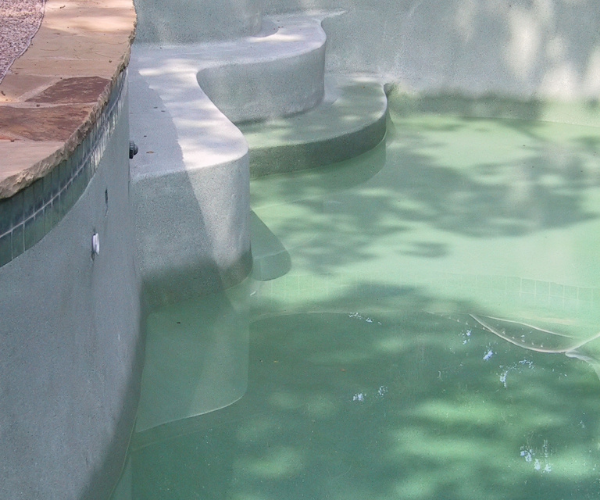
Does your pool look dull, stained, or discolored no matter how much you clean it? If so, an acid wash might be exactly what your surface needs. This deep-cleaning process can restore your plaster and bring back that crisp, blue sparkle.
Here in Chandler, our hard water and intense sun create tough conditions for pools. Because of this, mineral buildup and stubborn stains are common across the East Valley. Fortunately, a professional acid wash can reset your pool surface.
In this guide, we explain what an acid wash is, when you need one, and how the process works. Additionally, we share practical tips to help you protect your investment year-round.
What Is a Pool Acid Wash?
An acid wash removes a thin top layer of your pool’s plaster surface. Technicians apply a diluted acid solution to the walls and floor. As a result, embedded stains, mineral deposits, and algae lift away.
Think of it like sanding away the damaged top layer to reveal fresh plaster underneath. Therefore, colors look brighter and the surface feels smoother afterward.
This is not a routine cleaning task, however. Because acid strips plaster, technicians perform it sparingly. Overusing it can shorten the life of your pool’s finish.
Acid Wash vs. Regular Cleaning
Weekly cleaning handles day-to-day debris, chemistry, and light brushing. In contrast, an acid wash tackles deep, set-in problems. For example, it addresses years of stubborn discoloration.
Most pools never need frequent acid washing. Instead, strong routine maintenance keeps surfaces healthy far longer. Meanwhile, acid washing stays reserved for special situations.
Signs Your Chandler Pool May Need an Acid Wash
Arizona pools face heat, evaporation, and hard water daily. As a result, certain warning signs appear over time. Watch for these common indicators.
- Stubborn stains that brushing and chemicals won’t remove
- Mineral scale or a chalky buildup on plaster
- Dull or discolored surfaces that look aged
- Green or black algae deeply embedded in the plaster
- A pool that sat empty or neglected for a long period
Additionally, homes in Gilbert and Mesa often see calcium buildup from mineral-rich water. Because of this, acid washing sometimes becomes the best reset option.
When It Might Not Be the Right Choice
Not every stain requires an acid wash, though. Sometimes a spot treatment or a green-to-clean service works better. Therefore, a professional inspection matters before you decide.
Furthermore, older plaster may be too thin for another acid wash. In that case, resurfacing might be the smarter long-term move.
How the Acid Wash Process Works
A proper acid wash follows careful steps for safety and results. First, technicians drain the pool completely. Then they prepare the surface and gather protective gear.
Next, they apply a diluted acid solution across the plaster. Meanwhile, they scrub and rinse in sections to control the reaction. This keeps the process even and controlled.
After that, they neutralize the acid so it does not damage surfaces or drains. Finally, they refill the pool and rebalance the water chemistry. As a result, your pool returns to safe swimming condition.
Why Professionals Should Handle It
Acid is powerful and potentially dangerous. Therefore, mixing, applying, and neutralizing it requires training. On the other hand, mistakes can harm your plaster, your equipment, or your health.
Draining a pool in Arizona also carries risk. For example, high groundwater or hydrostatic pressure can crack an empty shell. Because of this, timing and technique truly matter.
Our team understands East Valley soil and water conditions well. Contact our team to discuss whether an acid wash fits your pool.
Acid Washing and Arizona’s Hard Water
The Greater Phoenix area is known for hard, mineral-heavy water. Consequently, calcium and scale form more quickly on local pools. Chandler, Tempe, and Scottsdale homeowners often notice this firsthand.
Evaporation makes the problem worse during hot months. As water evaporates, minerals stay behind and concentrate. Therefore, buildup can develop faster than in cooler climates.
An acid wash removes much of this staining and scale. However, prevention still beats correction. Consistent maintenance slows buildup and delays the need for aggressive treatments.
Simple Ways to Reduce Buildup
- Test and balance your water regularly
- Brush plaster surfaces every week
- Watch your calcium hardness levels
- Address stains early before they set
- Keep filtration running efficiently
Additionally, a weekly service plan keeps chemistry consistent. Because of this, your surface stays cleaner between deeper treatments.
How Often Should You Acid Wash?
Less often is usually better. Each acid wash removes plaster, so repeated washes wear the surface down. Therefore, most pools only need one every several years, if ever.
Strong routine care extends the time between washes. Meanwhile, neglected pools may need one sooner. A technician can assess your plaster thickness and recommend a schedule.
In short, treat acid washing as a targeted solution. It is not part of normal weekly maintenance. Instead, it solves specific problems when they appear.
Protecting Your Plaster Long-Term
Balanced water chemistry protects your finish daily. Furthermore, regular brushing prevents stains from setting deep. As a result, you reduce how often you’ll ever need a wash.
Our weekly service includes brushing, skimming, chemical testing, and equipment checks. Additionally, we send detailed reports with photos so you stay informed.
Acid Wash and Green-to-Clean Recovery
Sometimes a pool turns dark green after neglect. In many cases, draining and acid washing restores it fastest. This is common with vacant homes across Mesa and Gilbert.
First, we assess whether chemical recovery can work without draining. However, when algae stains the plaster deeply, an acid wash may be necessary. Then we rebalance and restore clarity.
Either way, we recommend the approach that protects your pool best. Request a free quote — wait, only one link is allowed, so reach out anytime for a full evaluation.
Frequently Asked Questions
How long does an acid wash take?
Most acid washes take one day to complete. However, draining and refilling add time. Therefore, plan for a few days before swimming again.
Will an acid wash damage my pool?
When done correctly, it should not. However, improper technique can thin plaster or crack the shell. Because of this, professional handling matters greatly.
Can I acid wash a vinyl or fiberglass pool?
No, acid washing is for plaster and gunite surfaces. Vinyl and fiberglass require different cleaning methods. Therefore, always confirm your surface type first.
How often does a Chandler pool need acid washing?
Usually only once every several years, if at all. Additionally, strong maintenance reduces the need. A technician can check your plaster and advise you.
Is acid washing safe for my equipment?
Yes, when the acid is properly neutralized afterward. However, unneutralized acid can harm pipes and pumps. Therefore, correct procedure protects your entire system.
Keep Your Pool Crystal Clear Year-Round
An acid wash can transform a stained, tired pool into a bright, inviting one. However, it works best as part of a smart, consistent care plan. Prevention always protects your investment.
At Balanced Poolz, we serve homeowners across Chandler, Gilbert, Mesa, Tempe, and the greater East Valley. Moreover, we back our work with a 30-day money-back guarantee and no long-term contract.
Ready to restore or protect your pool? Explore your options with our knowledgeable team today. Finally, let us help keep your water healthy, balanced, and beautiful all year.