
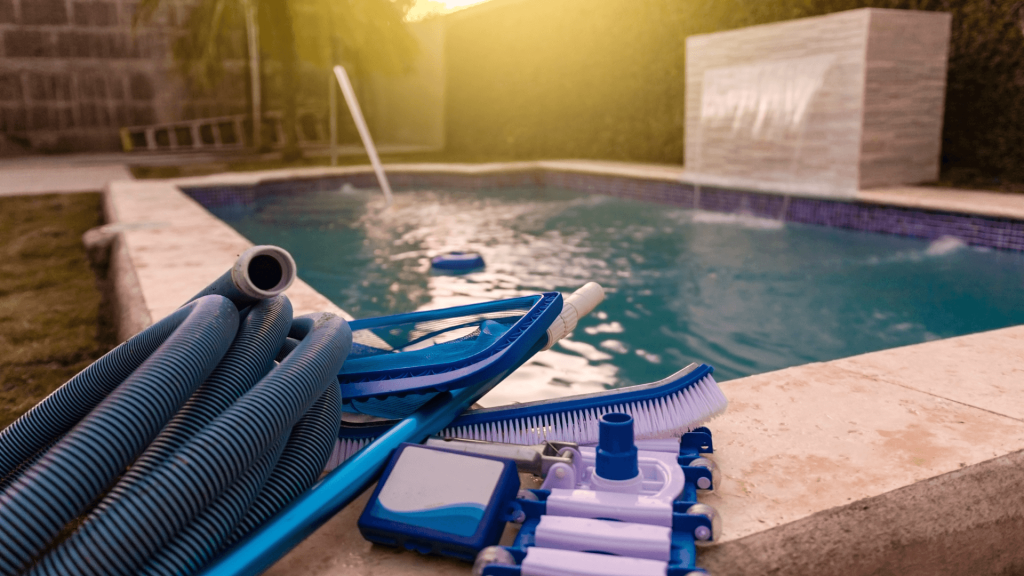
Do you need to drain pool water at your Apache Junction home? Many East Valley pool owners face this task at some point. However, draining is not something to rush into.
Arizona’s hard water and intense sun create unique challenges. Because of this, your pool may need a full drain every few years. A proper drain protects your equipment and your investment.
In this guide, we explain when to drain, how to do it safely, and why timing matters. Additionally, we share local tips for Apache Junction and the greater East Valley.
Why Pool Owners Choose to Drain a Pool
Over time, minerals build up in your pool water. This happens quickly in Arizona because of our hard water. As a result, the water becomes harder to balance.
Total dissolved solids, or TDS, keep rising each season. Meanwhile, evaporation leaves minerals behind. Therefore, a fresh start is sometimes the only fix.
Common Reasons to Drain
- High TDS levels that make chemicals ineffective
- Old water that has not been replaced in years
- Severe algae or a stubborn green pool
- Staining or scale on your pool surface
- Repairs that require an empty pool
For example, an acid wash needs an empty pool. Also, some plaster repairs require draining first. In these cases, draining is a necessary step.
When Is the Best Time to Drain in Apache Junction?
Timing matters a great deal in the East Valley. The Arizona sun can damage an empty pool fast. Therefore, avoid draining during the peak summer months.
Instead, choose cooler seasons like fall, winter, or early spring. During these times, the risk of surface damage drops. Moreover, the water is easier to manage afterward.
Why Summer Draining Is Risky
An empty pool bakes in the summer heat. As a result, plaster can crack and crack lines can spread. On the other hand, cooler weather keeps surfaces protected.
In addition, empty pools face pressure from groundwater. This is called hydrostatic pressure. However, a professional knows how to manage this risk safely.
Understanding Hydrostatic Pressure
Groundwater pushes up on your empty pool shell. If pressure builds too high, the pool can lift or “pop.” This is rare, but it does happen.
Many pools have a hydrostatic relief valve at the bottom. This valve releases pressure during a drain. Therefore, checking it first is very important.
Protecting Your Pool Shell
A trained technician inspects your pool before draining. First, we check the relief valve. Next, we monitor conditions during the process. Because of this, your pool stays safe.
DIY draining can be tricky for these reasons. However, our team handles the hard parts for you. We serve Apache Junction, Mesa, Gilbert, and Chandler homeowners.
How the Draining Process Works
A proper drain follows clear steps. First, we test your water and confirm the drain is needed. Then, we plan the safest timing and method.
Next, we pump the water to a legal, approved location. Meanwhile, we monitor the pool shell closely. Finally, we refill and rebalance the fresh water.
Step-by-Step Overview
- Test the water for TDS and balance
- Inspect the relief valve and surface
- Pump the old water responsibly
- Clean or acid wash if needed
- Refill with fresh water
- Rebalance the chemistry fully
Each step protects your pool and equipment. Additionally, we keep you informed the whole time. As a result, you always know what is happening.
Where Does the Old Water Go?
Draining rules matter across the East Valley. You cannot simply dump pool water anywhere. Instead, water must go to an approved drain location.
Chlorinated water can harm plants and yards. Furthermore, it can affect local storm systems. Therefore, we always follow safe disposal practices.
Local Considerations for Apache Junction
Some Apache Junction lots sit on desert terrain. Because of this, drainage planning is important. We choose safe spots that protect your property.
Nearby communities like Gold Canyon share similar conditions. Also, Mesa and Gilbert homeowners face the same rules. Our team knows the local landscape well.
Draining vs. Partial Water Replacement
You do not always need a full drain. Sometimes a partial water swap works instead. This lowers TDS without emptying the whole pool.
A partial drain reduces risk to your shell. Moreover, it can save time and effort. However, a full drain is better for major issues.
Which Option Is Right for You?
The answer depends on your water condition. For high TDS, a partial swap may help. On the other hand, severe algae often needs a full drain.
A professional test gives you the clearest answer. Therefore, always start with a proper water analysis. Then choose the smartest option for your pool.
Not sure which route fits your pool? Contact our team for honest, local advice. We help homeowners across Chandler and the East Valley.
After the Drain: Refilling and Balancing
Refilling seems simple, but details matter. First, fill the pool without stopping if possible. This helps prevent a fill line on the surface.
Next, we balance the fresh water carefully. Because of this, your pool stays clear and safe. Also, balanced water protects your equipment.
Why Balanced Water Matters
Fresh water is not automatically balanced. It may have odd pH or hardness levels. Therefore, testing and adjusting are essential steps.
Balanced chemistry keeps swimmers comfortable. In addition, it extends the life of your pump and filter. As a result, you save money over time.
Signs You May Need a Drain Soon
Watch for a few warning signs. When chemicals stop working, TDS may be high. Also, cloudy water can point to old, tired water.
- Chemicals no longer hold their levels
- Water looks dull or cloudy often
- Scale forms on tile or surfaces
- Water feels salty or heavy
- Your pool is several years old since the last drain
These signs suggest a closer look is needed. However, only a test confirms the real cause. Therefore, schedule a professional inspection first.
Frequently Asked Questions
How often should I drain my pool in Arizona?
Most pools need draining every few years. However, this depends on your water and usage. A TDS test gives the clearest answer.
Can I drain my pool myself?
You can, but the risks are real. An empty pool can crack or shift. Therefore, many owners prefer professional help.
How long does draining and refilling take?
The process often spans one to two days. Refill time depends on your water source. Additionally, weather can affect the schedule.
Is summer a bad time to drain?
Yes, summer is the riskiest season. The heat can damage an empty pool fast. Instead, choose cooler months when possible.
Will draining fix my green pool?
Sometimes it does, especially with severe algae. However, a green-to-clean treatment may work first. We help you compare both options.
Trust Balanced Poolz With Your Pool Drain
Draining a pool takes care and local knowledge. Our team understands Apache Junction conditions well. Because of this, we protect your pool every step.
We serve Chandler, Gilbert, Mesa, Tempe, and Apache Junction. Moreover, we offer clear reports and honest pricing. You never sign a long-term contract with us.
Ready to plan your pool drain the right way? Request a free quote today. Let Balanced Poolz keep your water crystal clear and healthy year-round.