Call Now · (623) 306-5091
Serving Chandler, Gilbert, Mesa & Tempe  |  ★ 5.0 on Google  |  (623) 306-5091
Home › Services › Professional Acid Wash in Glendale
Certified Plaster & Pebble Surface Care

Professional Acid Wash in Glendale: Certified Plaster & Pebble Surface Restoration

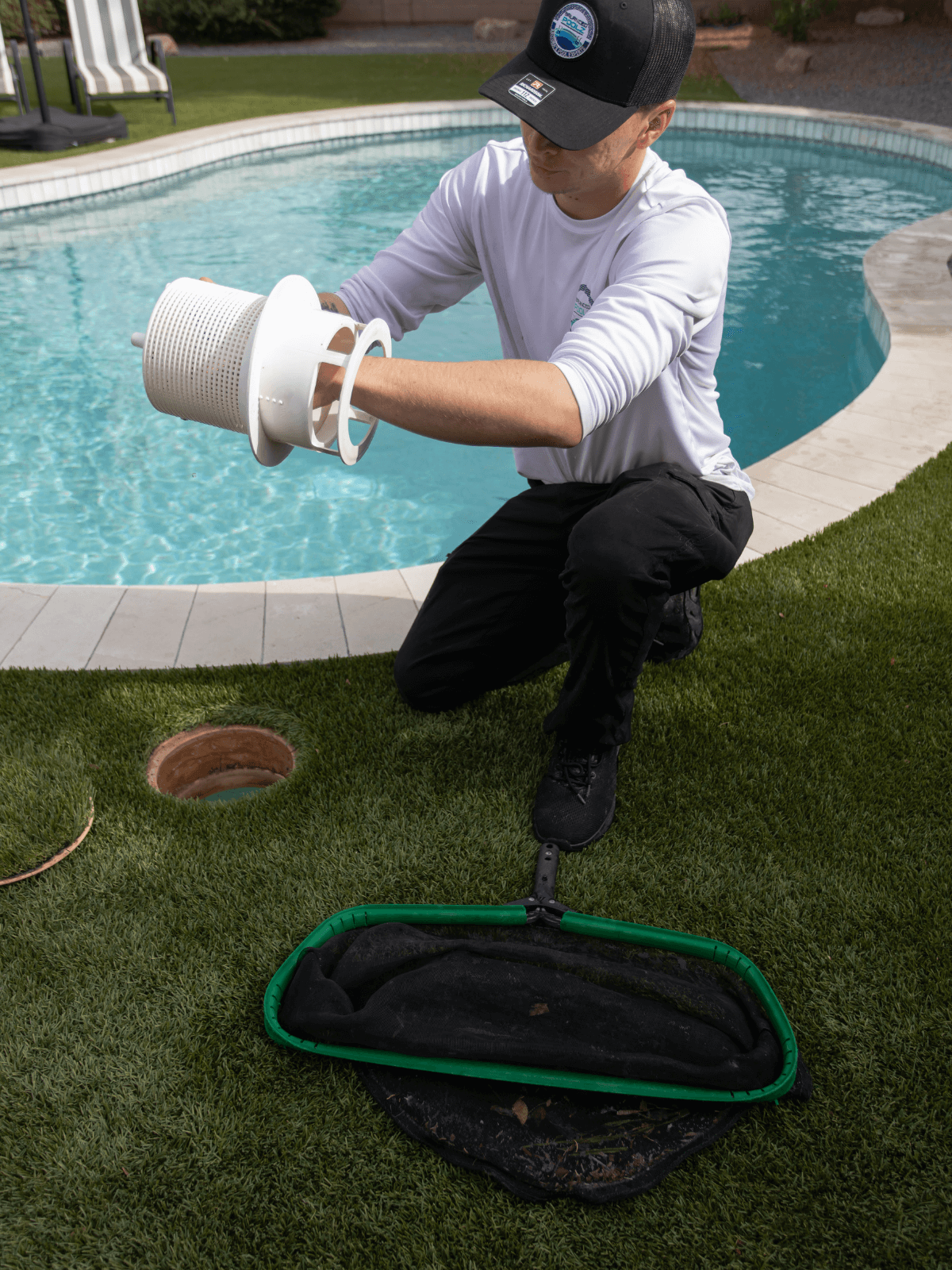
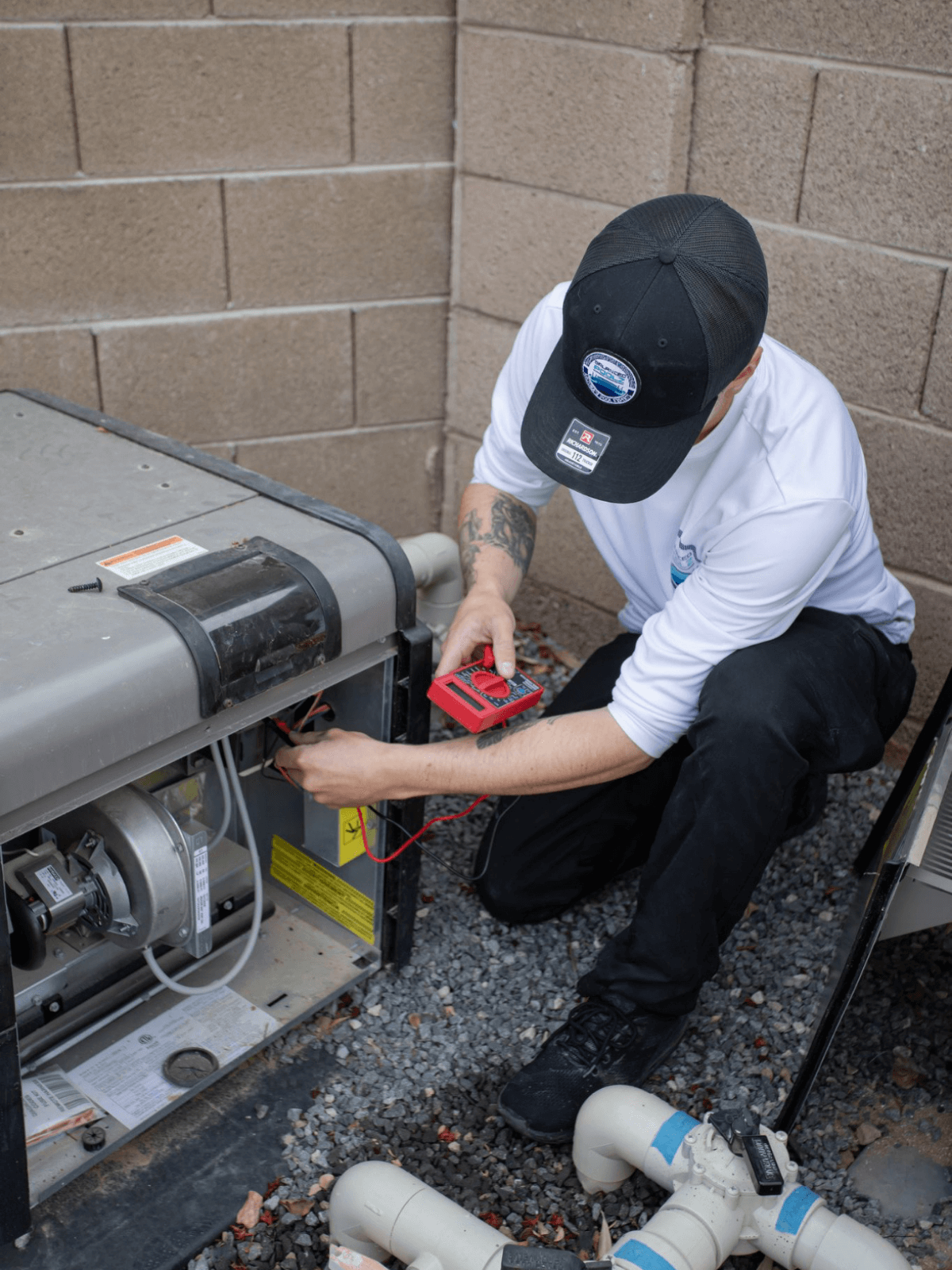
Balanced Poolz specialist performing a professional acid wash evaluation on a residential swimming pool in Glendale AZ
A drained Glendale swimming pool undergoing rigorous plaster density diagnostics and a controlled chemical wash to remove calcite scaling without eroding underlying marble aggregate.
Quick Answer

A professional acid wash in Glendale is an engineered chemical restoration process that removes mineral scaling, rust, copper oxidation, and deep-seated black algae roots by chemically stripping approximately 1/32 to 1/16 of an inch of degraded surface cement. Unlike amateur or DIY attempts that risk irreversible acid burns, pitting, and aggregate scarring, a certified specialist uses a calibrated 1:1 muriatic acid-to-water mixture, strictly timed dwell windows, and continuous sodium carbonate (soda ash) neutralization. Performed in 24 to 48 hours when ambient temperatures remain below 85°F, it restores original plaster brilliance and balanced water chemistry while extending shell life.

The Chemistry Behind Mineral Staining in Glendale Swimming Pools

In Glendale, maintaining pristine pool plaster is a continuous battle against intense West Valley desert heat, wind-blown dust, and exceptionally mineral-dense tap water. Understanding why pool plaster turns dull, yellowed, or sandpapery requires examining regional water chemistry.

The City of Glendale draws municipal water from the Central Arizona Project (CAP), Salt River Project (SRP) canals, and deep municipal groundwater wells. This untreated source water arrives at homes with high baseline hardness, registering between 17.5 and 26 grains per gallon (300 to 450+ ppm) of calcium carbonate. During summer heatwaves when air temperatures exceed 110°F, Glendale swimming pools lose up to 1.5 to 2 inches of water each week purely through surface evaporation.

Because water evaporates as pure H₂O, dissolved solids remain trapped inside the pool. Auto-fill lines continuously replace this evaporated water with mineral-laden municipal water. Within three to four years, calcium hardness climbs above 800 to 1,200 ppm, and Total Dissolved Solids (TDS) surpass 2,500 to 3,000 ppm.

At these saturation points, the Langelier Saturation Index (LSI) shifts into a severe scaling state. Calcium carbonate crystallizes out of solution, encrusting walls in a calcified crust that traps organic dust, copper from pool heaters, and black algae roots. Ordinary brushing and liquid pool chemicals cannot penetrate this barrier; only a professional, controlled chemical acid wash can strip the calcified layer cleanly.

Comparing Execution Standards: Professional vs. DIY Acid Washing

Pouring muriatic acid onto an empty pool shell is hazardous and carries immense structural risk. Uncontrolled acid exposure dissolves smooth cement binders, exposes rough aggregate, and permanently streaks plaster. Here is how professional execution compares to unlicensed or DIY attempts:

Factor Unlicensed / DIY Acid Wash Balanced Poolz Professional Acid Wash Glendale Plaster & Pebble Reality
Chemical Dilution & Formulation Full-strength or unevenly dumped 31.45% muriatic acid; leads to streaking and deep chemical burns. Calibrated 1:1 acid-to-water mixture with specialized thickening surfactant for even vertical cling. Glendale's hot plaster accelerates chemical reactions. Controlled viscosity prevents acid from cutting deep vertical gouges down side walls.
Dwell Timing & Rinse Control Acid left standing too long on floor; eats through cement paste and exposes sharp marble aggregate. Strict 60-to-90-second dwell window per section, followed by immediate high-volume neutralizer flooding. The National Plasterers Council warns that over-etching creates porous micropores that trap airborne dust storms and speed up scale re-adhesion.
Environmental & Sewer Compliance Hazardous acidic wastewater (pH < 2.0) pumped into street gutters or alleyways, violating city code. Continuous sump treatment with sodium carbonate (soda ash) to balance pH to 7.0–8.0 before sewer cleanout drainage (≤12 GPM). The City of Glendale enforces strict municipal codes (§ 25-24e & § 30-4). Unneutralized street discharge carries heavy civil fines and ruins domestic pipes.
Plaster Lifespan Preservation Shortens plaster life by 3 to 6 years through aggressive, unmeasured surface erosion. Removes only 1/32" micro-crust, leaving underlying marble composite structural, smooth, and intact. A proper professional wash restores cosmetic brightness while preserving pool finish integrity for years of additional swimming.

When Does Your Glendale Pool Require a Professional Acid Wash?

An acid wash is a restorative surface treatment suited for pools with healthy underlying plaster. Schedule a professional assessment if you notice:

  • Rough, Calcite-Encrusted Plaster: When pool steps and floors feel like coarse 40-grit sandpaper, calcified crystals have bonded to the surface, causing scrapes and snags.
  • Deep Metal & Fertilizer Oxidation: Irrigation overspray containing iron, aging copper heater heat exchangers, and manganese deposits create stubborn blue-green, charcoal, or rust stains that chlorine shock cannot lift.
  • Entrenched Black Algae Colonies: Black algae anchors itself deep within plaster pores beneath protective waxy caps. Acid application strips the top cement layer, eliminating the root structure entirely.
  • Stagnant Water Recovery: Pools that have remained swampy, black, or neglected for months often leave thick organic tannins and mineral stains that require draining and a controlled chemical wash to reset.

The Balanced Poolz 5-Stage Acid Wash Protocol

At Balanced Poolz, our CPO-certified specialists treat pool restoration as a precise chemical procedure:

  1. Plaster Integrity & Delamination Testing: We inspect the drained shell with acoustic mallet soundings to ensure plaster is at least 3/8-inch thick and free of hollow delamination pockets.
  2. Safe Continuous Dewatering: Using heavy-duty submersible pumps, water is routed through certified discharge hoses directly to your dedicated sanitary cleanout at approved municipal flow rates (not exceeding 12 GPM).
  3. Sectional Hydro-Washing: Walls are pre-wet with cold water to temper plaster surface heat. We apply a uniform 1:1 acid-water blend in controlled 6-foot vertical drops, brushing gently with acid-resistant bristles.
  4. Immediate Neutralization & Washdown: Every section is flooded with fresh water within 90 seconds. In the deep-end bowl, concentrated soda ash is added continuously to neutralize all acid runoff to a safe pH of 7.0+ before pump-out.
  5. Immediate Fresh Water Fill & Start-Up Balancing: Fill hoses are started immediately to shield freshly exposed plaster from hydration shock. Once filled, our technicians test and balance LSI, Total Alkalinity, and Calcium Hardness to protect the newly restored surface.
Field Observations: Certified Acid Washing Across Glendale Neighborhoods

Over a decade servicing pools throughout the West Valley, our technicians have observed that no two Glendale pool surfaces respond identically to acid treatment. Factors like plaster age, marble-to-cement ratios, and tap water supply history dictate the exact chemical formulation required. On-site diagnostic testing is essential before introducing acid to an empty plaster shell.

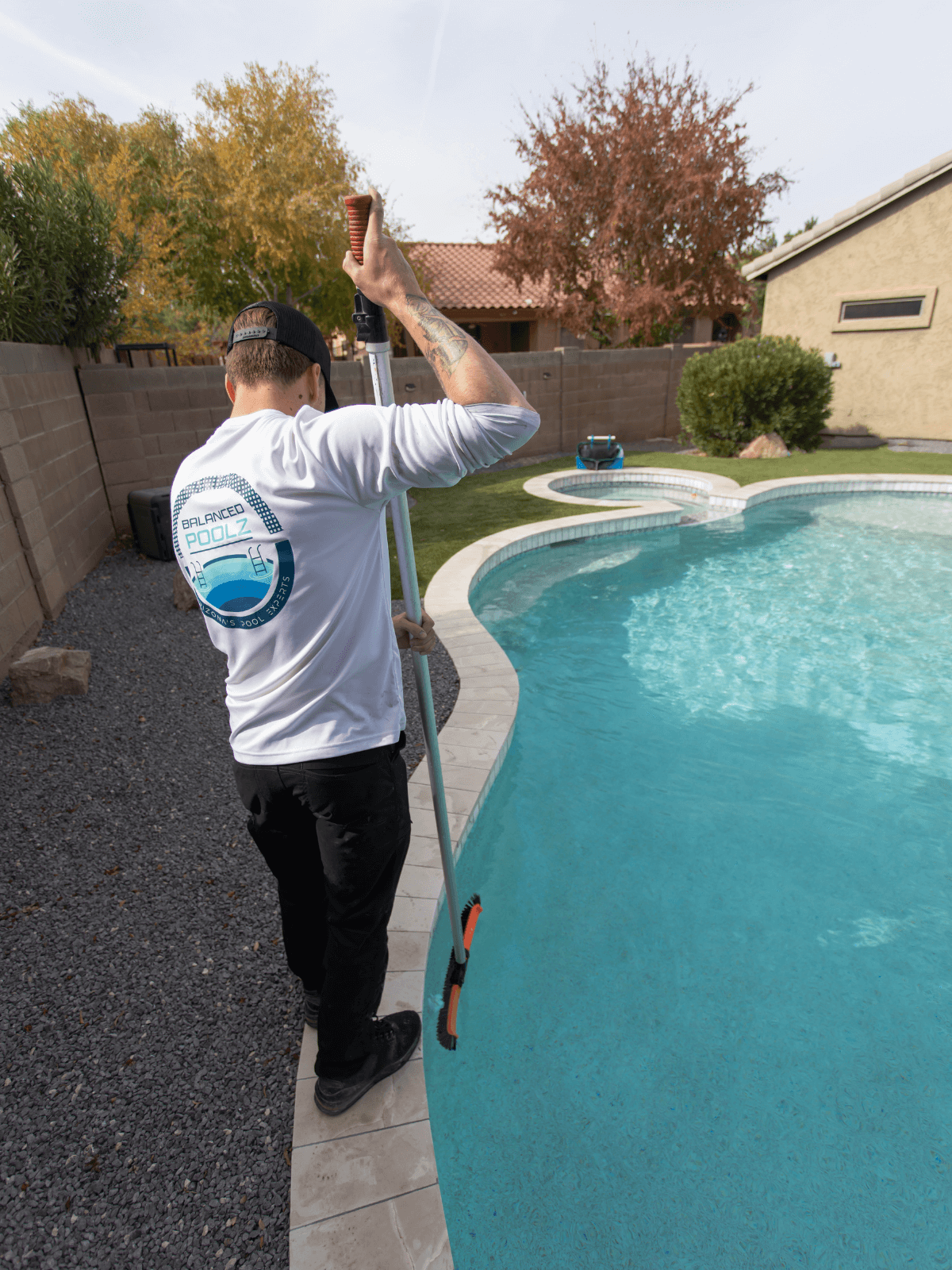
Balanced Poolz specialist executing a professional pool acid wash in Glendale AZ
Field Restoration · Arrowhead Lakes, Glendale AZ Evaluating an 8-year-old plaster pool where Total Dissolved Solids registered 3,100 ppm and calcium hardness reached 980 ppm. A calibrated 1:1 acid wash successfully removed widespread gray calcite crust and lifted copper staining without etching underlying aggregate.

Real Project: Arrowhead Lakes, Glendale Plaster & Pebble Recovery

A homeowner in Arrowhead Lakes reached out after an unlicensed pool cleaner used undiluted acid on their baja shelf, leaving unsightly white streaks and coarse pitting. Upon arrival, our lead specialist performed an acoustic hammer check to confirm the remaining floor plaster was structurally sound at 7/16-inch depth. We executed a full drain into the sanitary clean-out, pre-wet the shell, and applied a controlled, foaming 1:1 acid blend across the walls, followed by neutralizer flooding. The treatment evened out the prior streaking, stripped years of stubborn mineral scale, and restored smooth plaster by late afternoon.

Explore our West Valley pool cleaning & restoration services

Plaster Engineering Standards & Glendale Environmental Discharge Rules

Professional chemical washing requires strict adherence to materials engineering standards outlined by the National Plasterers Council (NPC) and clean water environmental ordinances enforced by the City of Glendale:

3/8" Depth
NPC Minimum Thickness Limit
1:1 Maximum
Controlled Water-to-Acid Ratio
pH 6.5 – 9.0
Glendale Sewer Cleanout Code

The NPC Technical Manual outlines that pool plaster is a fragile matrix of white Portland cement and marble aggregate. Applying unbuffered or undiluted acid dissolves the cement binder prematurely, causing marble aggregate to dislodge and leaving permanent micro-pitting. Environmentally, under City of Glendale City Code (§ 25-24e & § 30-4) and the Arizona Department of Environmental Quality (ADEQ), it is strictly unlawful to discharge pool water into public streets, sidewalks, alleyways, or storm drains. All pool wastewater must be treated with sodium carbonate (soda ash) to reach a neutral pH of 6.5 to 9.0 and pumped into your home's private sanitary sewer clean-out at a safe discharge rate not exceeding 12 gallons per minute.

When a Professional Acid Wash Is the Wrong Choice for Your Pool

Honest Specialist Counsel

At Balanced Poolz, we routinely advise Glendale property owners against performing an acid wash when structural plaster integrity is compromised. If your pool plaster is over 12 to 15 years old and worn thinner than the 3/8-inch standard, or if dark gray gunite substrate is showing through high-wear zones like steps and bowl transitions, acid etching will burn through the remaining cement paste and accelerate structural leaks. In this situation, resurfacing or replastering is the only sound choice.

Additionally, if acoustic hammer testing reveals hollow, drum-like sounds—indicating subsurface delamination where the plaster has detached from the underlying concrete gunite—acid application will seep into the fracture and cause entire plaster sections to pop loose under water pressure. Similarly, on older pebble finishes where loose aggregate is already shedding into your pool cleaner or pump basket, acid exposure will dissolve the weakened binder and accelerate pebble loss. Being honest about whether your pool is a candidate for chemical restoration protects your wallet and your pool.

Frequently Asked Questions About Professional Acid Washing in Glendale

Muriatic acid is a hazardous corrosive requiring certified vapor respirators, eye protection, and acid-rated footwear. Amateur DIY washes frequently result in deep vertical acid burns, irreversible aggregate pitting, and structural plaster damage. A certified professional uses calibrated chemical dilution, manages dwell times to the second, and neutralizes hazardous wastewater before sanitary disposal.

Pebble finishes (PebbleTec, pebble sheen) consist of natural stones encased in cement paste. A professional acid wash on pebble uses a milder acid concentration and specialized dwell times designed to dissolve calcium films without degrading the cement matrix holding the stones. On smooth white plaster, the wash strips a thin 1/32-inch surface film to reveal fresh, brilliant white cement underneath.

Reputable pool professionals avoid draining and acid washing pools when ambient temperatures exceed 85°F to 90°F. In Glendale's summer heat (often 100°F to 115°F+), wet plaster dries too rapidly, causing thermal expansion shock, spiderweb cracking, and structural delamination from the concrete shell. The ideal season for acid washing in Glendale is October through April.

The active chemical washing procedure typically takes 3 to 5 hours. Draining a standard 15,000-gallon pool into the sewer cleanout at the recommended 12 GPM rate takes 12 to 20 hours. Refilling begins immediately once the pool floor is neutralized and rinsed, taking roughly 18 to 24 hours. Your pool is fully restored and ready for chemical start-up within 24 to 48 hours total.

Schedule Your Professional Acid Wash in Glendale

Text or call us with two quick photos of your pool plaster or calcium staining — our CPO-certified specialists will evaluate your surface condition and provide an honest, upfront quote within hours.

Request Professional Estimate (623) 306-5091

Keep Reading

Acid Washing Services (Service Hub) Weekly Maintenance (Service Hub) Green to Clean Recovery (Service) Mesa Pool Repair (Location Hub) Chandler Pool Repair (Location Hub) All Valley Service Areas