
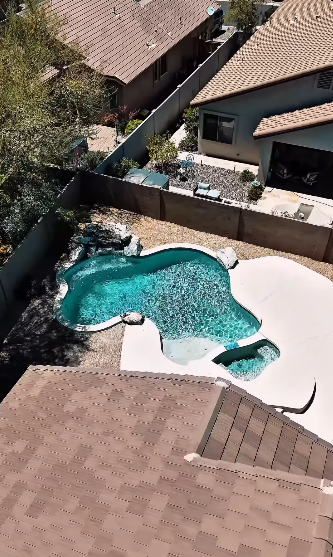
Does your pool water look dull, dingy, or stubbornly cloudy? Sometimes the best fix is to drain pool water completely and start fresh. Here in Chandler, this service restores clarity when nothing else works.
However, draining a pool in Arizona is not as simple as it sounds. The desert heat, hard water, and soil conditions all play a role. Therefore, timing and technique matter a great deal.
In this guide, we explain when a full drain makes sense. Additionally, we share safety tips for Chandler and East Valley homeowners. Let’s dive in.
What Does It Mean to Drain a Pool?
To drain a pool means removing all the water from the shell. As a result, you can clean surfaces, refresh the water, or make repairs. It is a big job, though.
Most pool owners never need to do this often. In fact, a proper drain happens only every few years. Because of this, it helps to understand the reasons first.
Why Chandler Pools Need Draining
Our desert water is very hard. Over time, minerals build up and dissolved solids climb. Therefore, chemistry becomes hard to balance.
- High TDS: Total dissolved solids rise from evaporation and refills.
- Scale and staining: Calcium leaves rough white marks.
- Old water: Water that is many years old resists treatment.
- Surface repairs: Plaster or tile work needs an empty pool.
Moreover, our intense summer sun speeds evaporation. As you top off, minerals concentrate even more. Eventually, a fresh start becomes the smart choice.
Signs You Should Drain Your Pool
Not every cloudy pool needs a drain. Often, a good cleaning or chemical reset works fine. However, certain signs point to a full water change.
Watch for These Clues
First, notice if your water feels “heavy” or salty even after balancing. Next, look for scale that will not brush away. Then, consider how old the water is.
- Water is three to five years old or older.
- TDS readings stay very high despite treatment.
- Persistent staining or heavy scale covers surfaces.
- Chemicals stop working the way they should.
- You need plaster, tile, or major repair work.
Meanwhile, algae blooms alone rarely require draining. Instead, a green-to-clean recovery usually solves them. Therefore, always confirm the real cause first.
Why Draining in Arizona Is Different
Draining a pool anywhere takes care. In the Arizona desert, though, the risks grow. Because of this, professional help matters.
The Hydrostatic Pressure Risk
Groundwater and soil press against an empty pool shell. This is called hydrostatic pressure. As a result, an empty pool can crack or even “pop” out of the ground.
Additionally, our clay-heavy soils shift and swell. Therefore, an empty pool must never sit too long. Timing the refill quickly is critical.
Heat and Surface Damage
Our summer sun is brutal on empty surfaces. Plaster can dry out, crack, and discolor fast. Therefore, we avoid draining during peak heat when possible.
For example, spring and fall offer milder temperatures. As a result, surfaces stay protected while the pool sits empty. Timing truly makes a difference here.
How the Draining Process Works
A safe drain follows clear steps. First, we test the water and confirm a drain is needed. Then, we plan the timing and drainage route.
Step-by-Step Overview
- Test: We check TDS, calcium, and overall chemistry.
- Plan: We choose the right day and weather window.
- Drain: We remove water to an approved location.
- Clean: We scrub, acid wash, or spot-treat surfaces.
- Refill: We add fresh water right away.
- Balance: We restore healthy, swim-ready chemistry.
Furthermore, local rules guide where drain water goes. Many East Valley cities require proper disposal. Therefore, we follow all guidelines to protect neighbors and storm drains.
Why Not to DIY a Full Drain
Some homeowners try draining alone to save money. However, mistakes get expensive fast. A popped shell or cracked plaster costs far more than a service.
On the other hand, a trained technician manages the risks. We watch the weather, timing, and disposal rules. As a result, your pool stays safe throughout.
Draining vs. Acid Washing
Many people confuse these two services. In truth, they often work together. However, they solve different problems.
A drain simply refreshes old water. Meanwhile, an acid wash removes stains and buildup from bare surfaces. Because of this, we sometimes acid wash while the pool is empty.
Which One Do You Need?
If your water chemistry is the problem, a drain and refill helps. However, if surfaces look stained, acid washing may follow. Therefore, a proper inspection guides the choice.
Not sure which service fits your pool? Contact our team for honest, straightforward advice. We serve Chandler and the greater East Valley every day.
Serving Chandler and the East Valley
Balanced Poolz has served local pool owners since 2020. We know Chandler water and desert conditions well. As a result, we tailor every drain to your property.
We also help homeowners across nearby communities. For example, we serve Gilbert, Mesa, and Tempe regularly. In addition, we cover much of the greater East Valley of Phoenix.
Local Knowledge Matters
Neighborhoods like Ocotillo, Sun Groves, and Ahwatukee share similar water challenges. Therefore, our experience travels well across the region. We adjust for each pool’s age, size, and surface.
Moreover, we keep you informed the whole way. You get on-the-way texts and detailed service reports with photos. As a result, you always know what happened and why.
How Often Should You Drain?
Most East Valley pools need draining every few years. However, the exact timing varies. It depends on water quality, usage, and refill habits.
Factors That Affect Timing
- Water age: Older water carries more dissolved solids.
- Evaporation: Heavy summer heat speeds mineral buildup.
- Refill source: Hard tap water adds minerals quickly.
- Bather load: Busy pools accumulate more contaminants.
Therefore, regular testing is the best guide. Weekly service catches rising TDS early. As a result, you drain only when truly necessary.
Protecting Your Pool After a Drain
A fresh drain gives you a clean slate. However, good habits keep the water healthy longer. Therefore, consistent maintenance is key.
Simple Habits That Help
- Test and balance chemistry every week.
- Brush walls and steps to prevent scale.
- Skim debris and empty baskets often.
- Watch calcium levels during hot months.
Additionally, professional weekly service takes the work off your plate. We handle brushing, skimming, testing, and equipment checks. As a result, your fresh water stays clear for years.
Frequently Asked Questions
How long can a pool sit empty in Arizona?
Not long at all. Because of hydrostatic pressure and heat, empty time should stay minimal. Therefore, we drain and refill in a tight window.
Will draining fix my green pool?
Sometimes, but not always. Often, a green-to-clean algae treatment works without draining. However, very old or high-TDS water may still need a full change.
Is it safe to drain my own pool?
We do not recommend it. A DIY drain risks cracks, popping, and surface damage. Therefore, a trained technician is the safer choice.
What time of year is best to drain?
Spring and fall are ideal. Meanwhile, we avoid peak summer heat when possible. As a result, surfaces stay protected during the process.
How much water does a refill use?
It varies with pool size and shape. Larger pools naturally use more water. Therefore, we plan refills carefully and follow local guidelines.
Ready to Refresh Your Pool?
A clean, healthy pool starts with the right care. Whether you need a full drain or simple advice, we are here to help. Furthermore, we back our work with a 30-day money-back guarantee.
We offer fair pricing, no long-term contracts, and honest service. In addition, we treat every Chandler pool like our own. As a result, you get crystal-clear water year-round.
Explore your options and request a free quote today. Our friendly team is ready to keep your East Valley pool safe and beautiful. Contact Balanced Poolz to get started.