
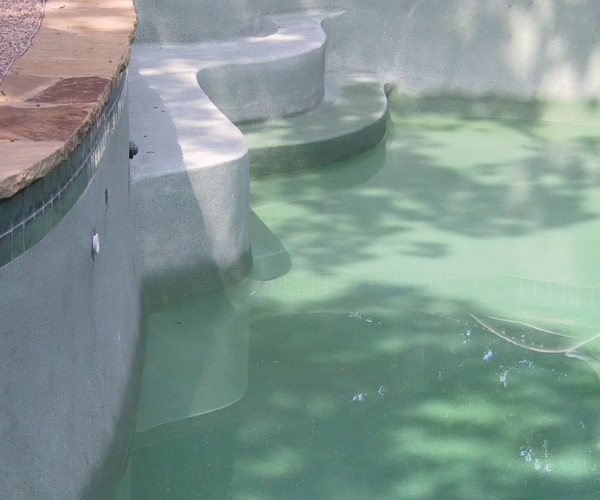
Do you need to drain pool water at your Gilbert home this season? Draining a swimming pool sounds simple. However, it can go very wrong without the right steps.
Arizona pools face harsh sun, hard water, and heavy mineral buildup. As a result, many East Valley owners eventually face a full drain and refill. Timing and technique matter more than most people think.
This guide walks you through the essentials. Additionally, it covers safety, timing, and local tips for Gilbert and beyond.
Why Pool Owners Drain Their Pools
Draining is not a routine chore. In fact, most pools rarely need it. However, certain conditions make a full drain necessary.
Our desert climate creates unique challenges. Because of this, water problems build up faster here than in cooler regions.
High Total Dissolved Solids (TDS)
Over time, minerals and salts accumulate in your water. As a result, TDS levels climb higher and higher. When they get too high, chemicals stop working well.
Cloudy water and stubborn balance issues often follow. Therefore, a fresh start becomes the best fix.
Excess Calcium Hardness
Gilbert and Chandler both have very hard tap water. Consequently, calcium builds up on surfaces and equipment. Scaling on tile and plaster is a common sign.
Draining resets your calcium levels. Then, you refill with fresh, balanced water.
Major Repairs or Resurfacing
Some jobs simply require an empty pool. For example, acid washing and replastering need a dry surface. Additionally, certain structural repairs demand a full drain.
Best Time to Drain a Pool in the East Valley
Timing is critical in Arizona. Draining at the wrong time can damage your pool. Therefore, planning matters.
Never drain during peak summer heat. Because of this, avoid the hottest afternoons of June and July.
Watch the Ground Temperature
Extreme heat can crack empty plaster surfaces. Meanwhile, an empty pool also risks “popping” from groundwater pressure. As a result, cooler months are often safer.
Spring and fall usually offer ideal conditions. In addition, milder temperatures protect your finish during the process.
Check the Weather First
Monsoon storms bring rising groundwater levels. Consequently, draining before a storm can be risky. First, review the forecast. Next, choose a dry, mild window.
For local weather planning, you can review current conditions from the National Weather Service Phoenix office. This helps you avoid draining during unstable weather.
How to Drain a Pool Safely
A careful process protects your investment. However, mistakes can be costly. Follow each step in order.
Step 1: Confirm You Actually Need It
First, test your water thoroughly. Sometimes partial draining solves the problem. Also, a pro can measure TDS and calcium accurately.
You can contact the Balanced Poolz team to discuss your pool before you drain. This step often saves time and money.
Step 2: Choose Your Drain Method
Most owners use a submersible pump. Then, they direct the water to an approved drainage point. Additionally, follow local rules for where water can go.
Gilbert and Mesa have guidelines for pool water disposal. Therefore, never drain into a neighbor’s yard or a storm drain improperly.
Step 3: Monitor the Process
Never leave a draining pool unattended for long. Meanwhile, watch for signs of ground pressure. If plaster starts to lift, stop right away.
Draining usually takes several hours. Consequently, plan to check on it regularly.
Step 4: Clean While It’s Empty
An empty pool is the perfect time to clean. For example, you can acid wash away stains and scale. Also, inspect surfaces for cracks or wear.
Step 5: Refill Promptly
Refill as soon as the work is done. Because of this, you protect the plaster from sun damage. Then, balance the fresh water carefully.
Balancing Fresh Water After a Drain
Fresh water is not automatically balanced. In fact, new water needs quick attention. Otherwise, problems can return fast.
Our hard tap water starts with high calcium. Therefore, test it right after refilling.
Key Levels to Check
- pH: Keep it near neutral for comfort and clarity.
- Total alkalinity: This buffers pH swings.
- Calcium hardness: Watch it closely with Arizona water.
- Chlorine: Establish a proper sanitizer level quickly.
Adjust chemicals gradually. Moreover, retest after each addition. Balanced water keeps your pool clear and healthy.
Protect Your Equipment
Run your pump and filter after refilling. As a result, the fresh water circulates and mixes chemicals. Additionally, this helps prevent staining.
Common Draining Mistakes to Avoid
Many owners learn the hard way. However, you can skip these pitfalls. Here are the most common errors.
- Draining in extreme heat: This risks cracked plaster.
- Leaving the pool empty too long: Sun and pressure cause damage.
- Ignoring groundwater: An empty pool can float or pop.
- Skipping water testing: Sometimes a drain is unnecessary.
- Improper water disposal: This can violate local rules.
Avoiding these mistakes protects your pool. Therefore, take your time and plan carefully.
Draining Pools Across Chandler and the East Valley
Every neighborhood has slightly different conditions. For example, older Tempe pools may need more surface care. Meanwhile, newer builds in Gilbert often have automation systems.
We serve homeowners throughout the region. Additionally, we understand local water chemistry well. Chandler, Mesa, and Scottsdale all share similar mineral challenges.
Why Local Experience Matters
Arizona pool care is not one-size-fits-all. Because of this, local knowledge makes a real difference. A seasoned tech reads your water and surface accurately.
Our team knows East Valley pools intimately. As a result, we recommend draining only when truly needed. Want expert help? Request a free quote today.
Should You Drain It Yourself or Hire a Pro?
DIY draining is possible for some owners. However, it carries real risks. Therefore, weigh your comfort level honestly.
A professional handles the whole process safely. Additionally, we time it correctly for the season. We also handle cleaning, repairs, and rebalancing.
Benefits of Professional Draining
- Correct timing to protect your plaster.
- Proper monitoring during the drain.
- Expert acid washing while empty.
- Accurate rebalancing after refill.
Peace of mind is worth a lot. Moreover, our 30-day money-back guarantee backs every job.
Frequently Asked Questions
How often should I drain my pool in Gilbert?
Most pools need draining every few years. However, exact timing depends on your water chemistry. High TDS or calcium usually triggers the need.
Can I leave my pool empty overnight?
We do not recommend it. An empty pool risks sun damage and ground pressure. Therefore, refill as quickly as possible.
Is it safe to drain a pool in summer?
Peak summer heat is risky for empty plaster. As a result, spring and fall are usually safer. Always check the forecast first.
Where can I legally dispose of pool water?
Follow your city’s guidelines carefully. Gilbert and Mesa both have disposal rules. When in doubt, ask a local pro.
Do I really need to drain, or just add chemicals?
Sometimes a partial drain works fine. However, very high TDS often requires a full drain. A water test gives you the answer.
Keep Your Pool Crystal Clear Year-Round
Draining a pool is a big decision. However, the right approach protects your investment. Timing, testing, and technique all matter.
Our team makes the process simple and safe. Additionally, we serve Chandler, Gilbert, Mesa, Tempe, and beyond. We keep you informed with weekly reports and photos.
Ready to plan your pool drain the right way? Contact Balanced Poolz today for friendly, reliable service. Explore your options and let us keep your water healthy year-round.