
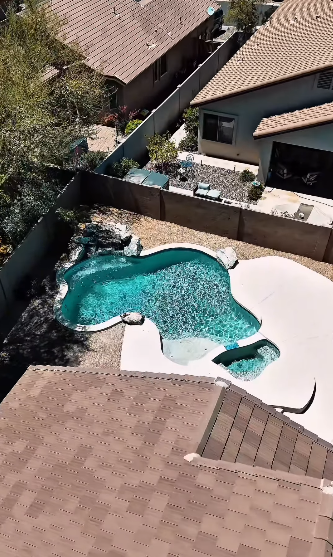
Is your backyard oasis suddenly looking more like a swamp? A green pool is a common frustration for pool owners across Chandler and the greater East Valley. However, the situation is rarely as hopeless as it looks.
Green water usually means algae has taken over. Because of Arizona’s intense heat, algae can bloom fast. Therefore, quick action makes all the difference in recovery.
In this guide, we explain why pools turn green. Additionally, we share practical steps to restore clear water. Finally, we cover when to call the pros.
What Causes a Green Pool in Chandler?
Algae thrives in warm, sunny conditions. As a result, our desert climate creates a perfect breeding ground. Chandler summers push water temperatures high, which speeds up algae growth.
Several factors trigger a bloom. Below are the most common culprits we see across the East Valley.
Poor Water Chemistry
Low chlorine levels are the leading cause. Without enough sanitizer, algae spreads quickly. Moreover, imbalanced pH reduces chlorine’s effectiveness.
High phosphate levels also feed algae. Because of this, testing your water regularly matters. For example, dust storms often add debris and nutrients to your pool.
Weak Circulation and Filtration
A dirty filter cannot clean your water properly. In addition, a broken pump reduces circulation. Stagnant water invites algae to settle and grow.
Running your pump too few hours also causes problems. During summer, pools need longer run times. Therefore, adjusting your schedule seasonally helps prevent green water.
Neglect During Vacation
Many green pools start after a trip. Meanwhile, the heat keeps working against you. A pool can turn green in just a few days without care.
Green to Clean: The Recovery Process
Restoring a green pool takes patience. However, the steps are straightforward when done in order. First, you assess the severity of the algae.
Light green water clears faster than dark, murky water. On the other hand, a black-green pool may need more intensive treatment. Below is our proven approach.
Step 1: Test and Balance the Water
Start by testing your water chemistry. Check pH, alkalinity, and chlorine levels. Next, adjust pH into the proper range before shocking.
Balanced water helps chlorine work harder. As a result, your shock treatment becomes more effective. Skipping this step wastes chemicals and time.
Step 2: Brush the Pool Surfaces
Algae clings to walls, steps, and floors. Therefore, brushing loosens it for treatment. Focus on shady corners where algae hides.
Use a stiff brush for plaster surfaces. Meanwhile, a softer brush suits vinyl or fiberglass. Brushing before shocking exposes more algae to the chlorine.
Step 3: Shock the Pool
Shocking means adding a large dose of chlorine. This kills algae fast. For severe cases, you may need to double or triple shock.
Add shock in the evening for best results. Because sunlight burns off chlorine, nighttime treatment lasts longer. Then run your pump continuously afterward.
Step 4: Run the Filter and Clean It
Filtration removes dead algae from the water. Run your pump 24 hours during recovery. Additionally, backwash or clean the filter often.
Dead algae can clog filters quickly. As a result, frequent cleaning keeps water moving. For heavy blooms, you may clean the filter several times.
Step 5: Test Again and Repeat
After the water clears from green to cloudy, test again. Cloudy water is progress, not failure. Then keep filtering until the water turns crystal clear.
Using Flocculant or Clarifiers
Sometimes water stays cloudy after shocking. In these cases, a clarifier helps. It gathers tiny particles so your filter can catch them.
Flocculant works differently. It sinks debris to the pool floor. Then you vacuum it out on the waste setting.
This method removes debris fast. However, it requires vacuuming to a drain. Furthermore, it lowers your water level, so plan to refill.
Preventing a Green Pool Year-Round
Prevention beats cleanup every time. Because of our long swim season, consistency is key. Below are simple habits that keep water clear.
Maintain Consistent Chemistry
Test your water at least weekly. Additionally, keep chlorine in the recommended range. The CDC’s guidance on healthy swimming offers helpful pointers on safe water conditions.
Balanced water resists algae naturally. Therefore, steady maintenance saves money long term. It also protects your pool surfaces and equipment.
Run Your Pump Enough
Circulation prevents stagnant spots. During summer, run your pump longer. As a rule, more heat means more run time.
Brush and Skim Regularly
Brushing stops algae before it spreads. Meanwhile, skimming removes leaves and debris. These small tasks add up to big results.
Schedule Professional Service
A weekly service keeps your pool healthy. For example, our team at Balanced Poolz handles brushing, testing, and inspections. Ready for hassle-free care? Contact the Balanced Poolz team to discuss your pool today.
When to Call a Pool Professional
Some green pools need expert help. If the water stays green after several treatments, call a pro. Additionally, dark or black-green water often signals a deeper problem.
Equipment issues also require attention. A failing pump or filter blocks recovery. Therefore, a technician can spot problems you might miss.
Signs You Need Green-to-Clean Service
- You cannot see the pool floor through the water.
- The algae keeps returning after treatment.
- Your equipment struggles to circulate or filter.
- The water smells swampy or looks black-green.
Our green-to-clean recovery service tackles tough blooms. We serve pool owners across Chandler, Gilbert, Mesa, and Tempe. Request a free quote to get your pool swim-ready again.
Why East Valley Pools Turn Green So Fast
Our region presents unique challenges. First, extreme heat accelerates algae growth. Second, monsoon storms wash dust and debris into pools.
Neighborhoods near Ocotillo and Sun Lakes see plenty of sun exposure. Meanwhile, mature trees in older Tempe and Mesa communities drop leaves. As a result, pools here need extra attention.
Hard water is another local factor. High mineral levels affect chemistry balance. Therefore, East Valley pools benefit from professional monitoring.
Frequently Asked Questions
How long does it take to clear a green pool?
It depends on the severity. Light green water may clear in one to three days. However, dark green pools can take up to a week with consistent effort.
Can I swim in a green pool?
No, swimming is not safe. Green water often hides bacteria and pathogens. Therefore, wait until the water is clear and balanced.
Is it cheaper to drain and refill a green pool?
Usually not. Draining risks damaging plaster in Arizona heat. Additionally, refilling wastes water and money. Chemical treatment is often the better choice.
How do I stop my pool from turning green again?
Maintain steady chemistry and circulation. Also, brush and skim weekly. Regular professional service offers the most reliable prevention.
Should I shock my pool at night?
Yes, evening is best. Because sunlight burns off chlorine, nighttime shocking lasts longer. Then run your pump overnight for full effect.
Get Your Crystal Clear Pool Back
A green pool feels overwhelming, but recovery is possible. With the right steps, your water can sparkle again. However, some blooms need a professional touch.
At Balanced Poolz, we make pool care simple. We offer weekly cleaning, green-to-clean recovery, and expert repairs. Moreover, we back our work with a 30-day money-back guarantee and no long-term contract.
Explore your options with a team that cares. Request a free quote today and enjoy a clean, healthy pool all year. Contact Balanced Poolz to serve your Chandler or East Valley home.