
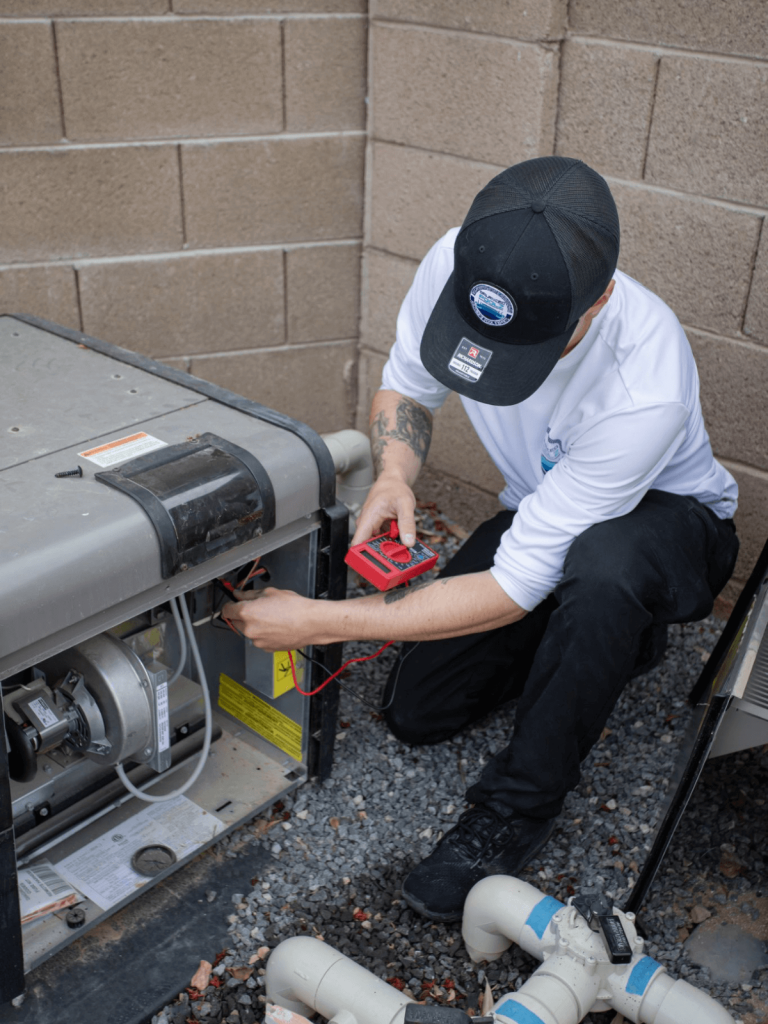
Every pool owner wants gear that lasts. Understanding pool equipment lifespan helps you plan, budget, and avoid surprises. It also keeps your water clean and your pool running smoothly all year.
Here in Chandler and across the East Valley, our intense sun and hard water push equipment hard. Because of this, knowing when to repair or replace matters even more.
In this guide, we compare how long key components last. We also share simple tips to stretch their life. Let’s dive in.
Why Pool Equipment Wears Out Faster in Arizona
Arizona weather is tough on pool gear. Our long swim season means equipment runs more hours each year. As a result, parts simply wear out sooner.
Additionally, our hard water leaves mineral deposits inside pumps and heaters. These deposits reduce efficiency over time. Meanwhile, UV exposure breaks down plastic and rubber parts.
The Local Factors at Play
Pool owners in Chandler, Gilbert, and Mesa face similar challenges. For example, summer heat strains pump motors daily. Furthermore, dust and monsoon storms clog filters quickly.
On the other hand, good maintenance slows this wear. Regular cleaning and balanced chemistry protect your investment. Therefore, smart care directly extends equipment life.
Pool Pump Lifespan
The pump is the heart of your pool. It circulates water through the filter and keeps everything clean. Most pool pumps last roughly eight to twelve years.
However, that range depends on use and care. A variable-speed pump often lasts longer than a single-speed model. Because of this, many East Valley owners upgrade for savings and durability.
Signs Your Pump Is Failing
- Loud grinding or screeching sounds during operation
- Weak water flow from the returns
- Frequent loss of prime or air bubbles
- Leaking water around the motor or seals
Next, watch for rising energy bills. A struggling pump draws more power. Therefore, replacing an old unit can pay for itself over time.
Pool Filter Lifespan
Filters remove dirt, debris, and fine particles. The lifespan varies by filter type. Each one ages differently in our dusty desert climate.
Comparing Filter Types
- Cartridge filters: The cartridges last a few seasons, while the housing lasts longer.
- Sand filters: The sand media needs changing every several years, though the tank lasts much longer.
- DE filters: The grids last several years with proper care and cleaning.
Meanwhile, the filter tank itself can last well over a decade. Still, sun exposure can crack older plastic tanks. As a result, shaded equipment pads tend to last longer.
Pool Heater Lifespan
Heaters extend your swim season into cooler months. Gas heaters and heat pumps differ in lifespan. Generally, heaters last somewhere between seven and twelve years.
However, our hard water shortens that range. Mineral scale builds inside the heat exchanger. Because of this, scale buildup is the top heater killer in the East Valley.
Protecting Your Heater
First, keep your water chemistry balanced. Proper calcium and pH levels reduce scaling. The CDC’s healthy swimming guidance explains why balanced water protects both swimmers and equipment.
Next, schedule regular professional inspections. A technician can spot scale early. Therefore, small fixes prevent costly heater replacements.
Salt System and Chlorinator Lifespan
Salt chlorine generators are popular in Chandler and Gilbert. The control board often lasts the longest. Meanwhile, the salt cell needs replacement more often.
Most salt cells last around three to seven years. However, hard water and poor maintenance shorten this. Additionally, running the system too hard wears the cell faster.
Extending Salt Cell Life
- Clean the cell as recommended by the manufacturer
- Keep salt levels within the proper range
- Maintain balanced pH to reduce scaling
- Inspect the cell for buildup every few months
For example, a quick inspection catches scale early. As a result, you avoid premature cell failure. Explore your options with Balanced Poolz if you want help managing your salt system.
Pool Automation and Controls
Automation systems make pool care easier. They control pumps, heaters, lights, and features. These systems usually last around ten years.
However, technology changes quickly. Sometimes owners upgrade for newer features and smartphone control. Meanwhile, exposed wiring and boards can fail in the heat.
Keeping Controls Reliable
First, shade your equipment pad when possible. Heat damages sensitive electronics. Next, address error messages promptly. Therefore, small repairs keep the whole system stable.
Other Equipment Lifespans to Know
Several smaller parts also wear out over time. Knowing these helps you plan ahead. Below is a quick comparison.
- Pool lights: LED lights last many years, while older bulbs burn out faster.
- Pool cleaners: Automatic cleaners last several years with regular part swaps.
- Plumbing and valves: These last a long time, though seals and o-rings need replacing.
- Pool surfaces: Plaster and pebble finishes last many years before resurfacing.
Additionally, gaskets and seals are cheap but important. Replacing them early prevents bigger leaks. Therefore, regular inspection saves money long term.
How to Maximize Pool Equipment Lifespan
Smart habits protect every component. Good care delivers the longest possible pool equipment lifespan. Here are our top recommendations.
Stay on Top of Water Chemistry
Balanced water is your best defense. It prevents scale, corrosion, and stains. As a result, your pumps, heaters, and cells last longer.
Schedule Regular Maintenance
Weekly cleaning keeps debris out of your system. It also lets a technician catch issues early. Because of this, problems get fixed before they spread.
Our team in Chandler provides weekly cleaning with detailed reports and photos. Meanwhile, we inspect your equipment during every visit. Contact the Balanced Poolz team to discuss a maintenance plan for your pool.
Don’t Ignore Small Problems
A tiny leak today becomes a big repair later. Therefore, act quickly when something seems off. First, listen for unusual sounds. Next, watch for weak flow or rising bills.
Repair or Replace? Making the Call
Sometimes a repair makes sense. Other times, replacement is smarter. The right choice depends on age and cost.
For example, an old pump near the end of its life rarely justifies a major repair. On the other hand, a newer unit usually deserves a fix. Furthermore, energy savings often favor a modern, efficient replacement.
Our technicians help Mesa, Tempe, and Gilbert owners weigh these choices. We give honest, fair advice with no pressure. Therefore, you always get the best value for your pool.
Frequently Asked Questions
How long does a pool pump usually last?
Most pumps last roughly eight to twelve years. However, care and use affect that range. Variable-speed models often last longer.
Why does Arizona hard water hurt equipment?
Hard water leaves mineral scale inside heaters and pumps. This scale reduces efficiency and causes wear. Therefore, balanced chemistry is essential here.
How often should I replace a salt cell?
Salt cells typically last three to seven years. However, cleaning and balanced water extend that life. Regular inspection helps catch problems early.
Can maintenance really extend equipment life?
Yes, absolutely. Regular care prevents scale, corrosion, and debris buildup. As a result, your equipment runs efficiently for years longer.
Should I upgrade to a variable-speed pump?
Many East Valley owners benefit from the upgrade. These pumps run quieter and use less energy. Additionally, they often last longer than single-speed units.
Keep Your Pool Running Strong
Understanding equipment lifespans helps you plan with confidence. It saves money and protects your pool year-round. Moreover, it keeps your water clean and healthy.
Our team serves Chandler, Gilbert, Mesa, Tempe, and the greater East Valley. We offer weekly cleaning, repairs, and honest equipment advice. Finally, we back our work with a 30-day money-back guarantee.
Ready to protect your equipment investment? Request a free quote today. Let Balanced Poolz keep your pool crystal clear and running strong.