
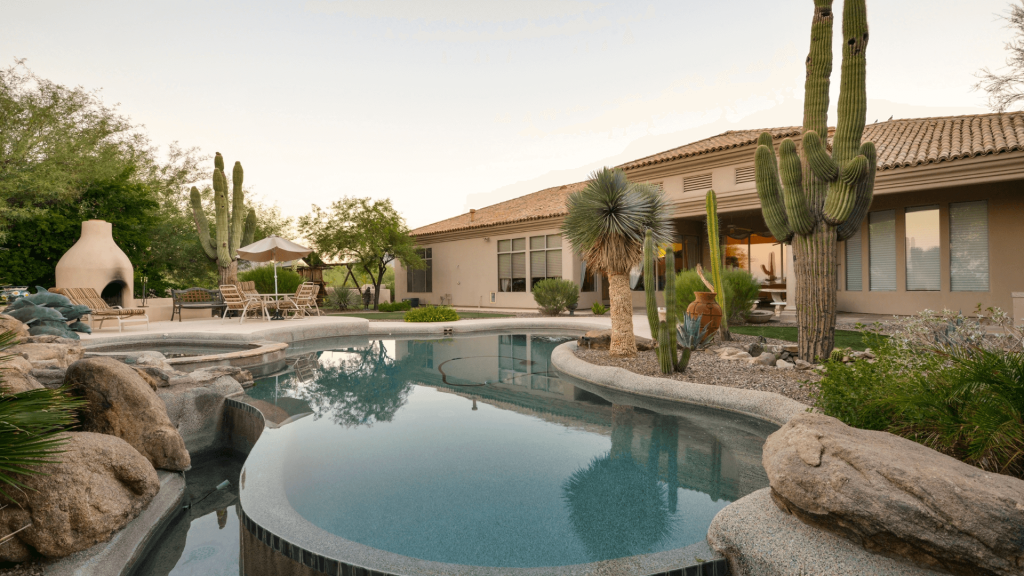
Owning a pool in the Arizona desert is a true joy. However, that sparkling water needs more than sunshine to stay safe. Regular pool chemical testing is the secret behind every clean, healthy swimming pool in the East Valley.
Here in Chandler, our intense heat changes pool water fast. Therefore, testing your chemistry often is not optional. It protects your family, your equipment, and your investment.
At Balanced Poolz, we test water every single week. As a result, we catch small problems before they grow. In this guide, we explain why consistent testing matters so much.
Why Pool Chemistry Matters in the Desert
Pool water is a living balance of chemicals. When that balance slips, problems appear quickly. Algae, cloudy water, and skin irritation often follow.
Arizona heat speeds up these issues. For example, high temperatures burn off chlorine faster. Meanwhile, strong sunlight breaks down sanitizer all day long.
Because of this, homeowners in Gilbert and Mesa need frequent testing. A pool left untested for two weeks can turn green fast. Therefore, staying consistent saves you time and money.
The Key Chemicals to Test
Several core levels keep your water balanced. First, you must monitor each one regularly.
- Chlorine: This sanitizer kills bacteria and germs.
- pH: This measures how acidic or basic your water is.
- Total Alkalinity: This buffer keeps pH stable.
- Calcium Hardness: This protects your plaster and surfaces.
- Cyanuric Acid: This stabilizer shields chlorine from the sun.
Each level affects the others. Therefore, balancing them together is essential. A trained technician understands how they interact.
What Happens Without Regular Testing
Skipping tests leads to real consequences. Some appear fast, while others build slowly over time.
First, your water can turn cloudy or green. Algae thrives when chlorine drops too low. As a result, your pool becomes unsafe and unappealing.
Next, unbalanced water damages equipment. Acidic water corrodes metal parts inside pumps and heaters. On the other hand, scaling builds up when calcium runs high.
Health Risks of Poor Water Quality
Bad chemistry affects swimmers too. Low chlorine allows bacteria to multiply. Therefore, swimmers risk ear infections and skin rashes.
Meanwhile, high chlorine causes stinging eyes and dry skin. According to the CDC’s guidance on healthy swimming, proper water chemistry is critical for preventing recreational water illnesses. Because of this, regular testing protects everyone who swims.
How Often Should You Test Your Pool?
Frequency depends on several factors. However, more testing always helps in our climate.
During summer in Tempe and Chandler, test two or three times weekly. Heat and heavy use change chemistry fast. Therefore, frequent checks keep things stable.
In winter, you can test slightly less often. Still, weekly testing remains a smart habit. Cooler water slows chemical changes, but problems can still appear.
When to Test More Frequently
Certain events demand extra attention. For example, test after a big pool party. Many swimmers introduce oils, sweat, and contaminants.
Also test after monsoon storms. Rain and dust shift your chemistry quickly. In addition, test after adding water or chemicals.
Professional Testing Versus DIY Kits
Many homeowners try test strips at home. These tools work for quick checks. However, they have real limits.
Test strips fade and expire over time. As a result, they can give inaccurate readings. Liquid test kits offer more precision, yet they take practice.
Professional testing goes further. We use calibrated tools and trained eyes. Therefore, our results catch issues that strips often miss.
The Balanced Poolz Approach
Our weekly service includes thorough testing. First, we measure every key chemical level. Then, we adjust your water precisely.
Additionally, we brush, skim, and inspect equipment each visit. After every service, you receive a detailed report with photos. We even send on-the-way texts before we arrive.
Homeowners across Gilbert, Mesa, and Tempe trust this process. Moreover, we back our work with a 30-day money-back guarantee. You can schedule reliable weekly pool care with Balanced Poolz without any long-term contract.
Seasonal Testing Tips for East Valley Pools
Arizona seasons each bring unique challenges. Therefore, your testing routine should adapt.
Summer Heat
Summer is the toughest season here. Chlorine evaporates fast under intense sun. As a result, you must test and dose more often.
Keep cyanuric acid balanced during these months. This stabilizer protects chlorine from burning off. However, too much can weaken sanitizer performance.
Monsoon Season
Monsoon storms hit Chandler hard. Wind blows dust and debris into pools. Therefore, test your water right after each storm.
Rain also lowers your pH levels. Because of this, rebalancing quickly prevents algae. Meanwhile, running your pump helps circulate fresh chemicals.
Winter Maintenance
Cooler months slow chemical activity. Still, never skip testing entirely. Low chlorine in winter can still allow algae.
Adjust your routine, but stay consistent. Finally, watch for scaling when calcium climbs. Our hard Arizona water makes this common.
Signs Your Pool Needs Immediate Testing
Your pool often shows warning signs. Watch for these clues between regular tests.
- Cloudy water: This signals imbalanced chemistry.
- Green tint: Algae growth is starting.
- Strong chlorine smell: This means chloramines have formed.
- Eye or skin irritation: Your pH may be off.
- Scaling or staining: Calcium or metals need attention.
If you notice any of these, act fast. Test immediately and adjust as needed. Otherwise, small issues can spiral quickly.
Frequently Asked Questions
How often should I test my pool water?
Test two or three times weekly during summer. In cooler months, weekly testing usually works well. However, always test after storms or heavy use.
Can I rely on test strips alone?
Test strips work for quick checks. However, they expire and lose accuracy. Professional testing offers far more reliable results.
Why does my pool need testing more often in Arizona?
Our intense heat burns off chlorine fast. Additionally, monsoon storms change chemistry quickly. Therefore, frequent testing is essential here.
What is the most important level to test?
Chlorine and pH are the top priorities. They control sanitation and comfort directly. Still, all levels work together for balance.
Can unbalanced water damage my equipment?
Yes, it certainly can. Acidic water corrodes metal parts over time. Meanwhile, high calcium causes scaling inside your system.
Keep Your Pool Healthy Year-Round
Regular chemical testing is the foundation of pool care. It protects swimmers, equipment, and water clarity. Furthermore, it saves you money on costly repairs.
Our team serves homeowners across Chandler, Gilbert, Mesa, and Tempe. We deliver affordable, reliable, and knowledgeable service. Therefore, you can relax while we handle the chemistry.
Ready for crystal-clear water all year? Contact the Balanced Poolz team to discuss your pool today. Request a free quote and discover stress-free pool care in the East Valley.