
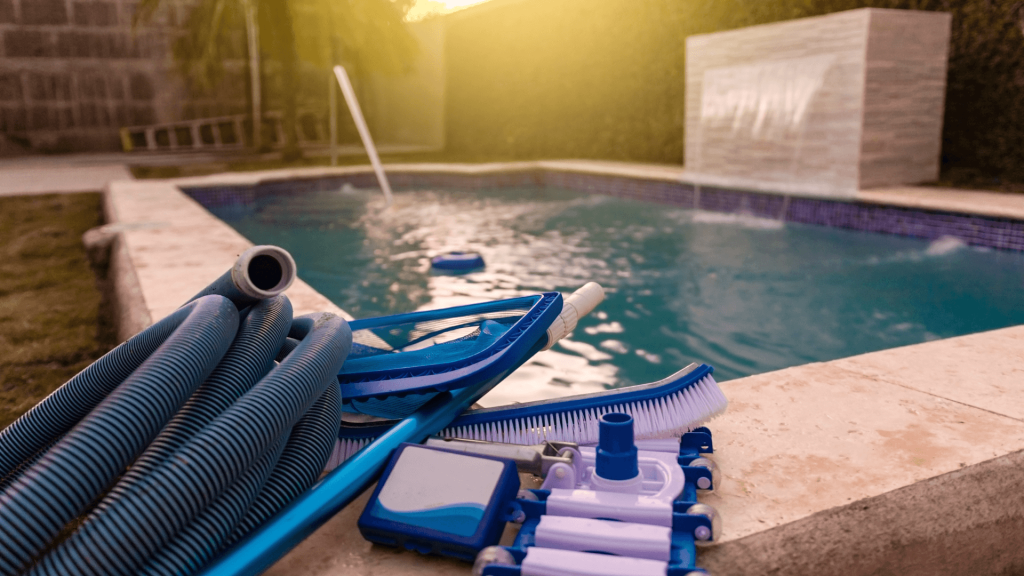
Few things ruin a sunny day faster than a green pool. One day your water sparkles, and the next it looks cloudy or murky. An algae-free pool takes consistent care, especially in the hot East Valley climate.
Here in Chandler, our long swim season puts extra pressure on water quality. Heat, sunlight, and heavy use all create perfect conditions for algae. However, the right routine keeps your water clear all year.
At Balanced Poolz, we help homeowners across Chandler, Gilbert, Mesa, and Tempe stay ahead of algae. In this guide, we share simple best practices you can follow. Let’s dive in.
Why Algae Loves Arizona Pools
Algae thrives in warm, sunny water. Therefore, Arizona pools face a higher risk than pools in cooler regions. Our summer temperatures often push pool water past comfortable swimming levels.
Sunlight feeds algae through photosynthesis. As a result, uncovered pools in places like Gilbert and Mesa stay vulnerable for months. Add monsoon storms, and debris compounds the problem fast.
Common Triggers for Green Water
Several factors invite algae into your pool. First, low chlorine levels remove your main line of defense. Next, poor circulation lets water sit and stagnate.
- Low sanitizer levels that fail to kill spores
- Imbalanced pH that weakens chlorine
- Dirty filters that recirculate contaminants
- Storm debris from monsoon winds
- Heavy bather loads during summer parties
Because of this, prevention matters more than treatment. A small daily effort beats a costly green-to-clean recovery later.
Keep Your Chemistry Balanced
Balanced water chemistry is your strongest weapon against algae. Therefore, regular testing should anchor your routine. You can test at home or rely on a weekly service.
Chlorine is the front line. Meanwhile, pH and alkalinity decide how well that chlorine performs. When these drift, algae finds an opening.
Target Ranges to Watch
Aim to keep your water within healthy general ranges. For example, free chlorine usually performs best in a moderate range. Additionally, pH should sit slightly above neutral for comfort and safety.
- Free chlorine: a steady, sanitizing level
- pH: a slightly alkaline, comfortable range
- Total alkalinity: a buffer that stabilizes pH
- Cyanuric acid: a stabilizer that shields chlorine from sun
Stabilizer matters a lot in Arizona. Without it, intense sun burns off chlorine quickly. However, too much stabilizer also reduces chlorine power, so balance is key.
For trusted guidance on safe pool water, the CDC’s healthy swimming resources offer helpful background. We recommend reviewing them alongside your weekly testing.
Brush, Skim, and Circulate
Chemistry alone will not stop algae. Therefore, physical cleaning plays an equal role. Brushing disrupts algae before it can grab hold.
Algae often starts on surfaces you cannot see. For example, steps, corners, and behind ladders hide growth. As a result, thorough brushing prevents early blooms.
A Simple Weekly Cleaning Habit
Consistency beats intensity. First, skim the surface to remove leaves and bugs. Next, brush the walls, floor, and shaded spots.
- Brush walls, steps, and corners weekly
- Skim debris before it sinks and decays
- Vacuum the floor to clear settled particles
- Empty skimmer and pump baskets regularly
Circulation also fights algae. Run your pump long enough each day to turn the water over. Meanwhile, point return jets to push water into dead zones.
Filtration and Equipment Care
Your filter removes the tiny particles algae loves. However, a clogged filter cannot do its job. Therefore, regular cleaning keeps water clear.
Different filters need different care. Cartridge filters need rinsing, while sand and DE filters need backwashing. In addition, check pressure gauges for signs of buildup.
Signs Your Equipment Needs Help
Watch for clues that something is off. For example, weak water flow often signals a clogged filter. Cloudy water may also point to circulation problems.
- Rising filter pressure
- Weak or uneven return flow
- Persistent cloudiness despite good chemistry
- Noisy or struggling pumps
When equipment fails, algae moves in fast. Our team repairs and replaces pumps, filters, heaters, and automation systems. As a result, your pool keeps circulating clean water.
Ready for help? Contact the Balanced Poolz team to discuss your pool and its specific needs.
Prevention Tips for the East Valley Climate
Local conditions demand a local strategy. Pools in Chandler, Tempe, and Scottsdale face strong sun and dust. Therefore, your routine should match the season.
Summer requires extra vigilance. Meanwhile, monsoon season brings sudden debris and chemistry swings. A little preparation prevents big problems.
Seasonal Adjustments That Work
Adjust your care as temperatures climb. First, test more often during peak heat. Next, maintain stabilizer to protect chlorine from intense sun.
- Increase testing during hot months
- Shock the pool after storms or heavy use
- Clear debris quickly after monsoon winds
- Check stabilizer to protect your chlorine
Heavy use also affects balance. For example, a weekend pool party adds oils and contaminants. As a result, a follow-up shock treatment helps restore clarity.
When to Call a Professional
Sometimes algae wins despite your best efforts. In that case, a green-to-clean recovery brings water back to life. Professionals balance chemicals, brush, and filter aggressively.
Acid washing may help with stubborn stains on plaster. However, this process requires care and experience. Therefore, trusting a trained technician protects your surfaces.
Want a fresh start? Explore your options with our experienced team and request a free quote today.
Frequently Asked Questions
How often should I test my pool water?
Test at least twice weekly during summer. However, after storms or parties, test sooner. Frequent checks help you catch problems early.
Can algae return after a green-to-clean treatment?
Yes, algae can return without consistent care. Therefore, maintain balanced chemistry and regular brushing afterward. Prevention keeps your water clear long term.
Why does my pool turn green so quickly in summer?
Arizona heat and sunlight speed up algae growth. Additionally, sun burns off chlorine fast. Stabilizer and frequent testing help protect your pool.
How long should I run my pool pump each day?
Run it long enough to turn the water over fully. In summer, longer run times help. Good circulation discourages algae from settling.
Do I need a weekly pool service?
Weekly service keeps your chemistry and cleaning consistent. Moreover, it catches small issues before they grow. Many East Valley homeowners value that peace of mind.
Keep Your Pool Crystal Clear Year-Round
An algae-free pool comes down to consistency. Balance your chemistry, brush often, and care for your equipment. Then your water stays clear through every Arizona summer.
Balanced Poolz proudly serves Chandler, Gilbert, Mesa, Tempe, and the greater East Valley. We offer weekly cleaning, repairs, and green-to-clean recovery. In addition, we send detailed reports with photos and on-the-way texts.
Ready for worry-free water? Contact Balanced Poolz today to request a free quote. Let our team keep your pool healthy, balanced, and beautiful.