
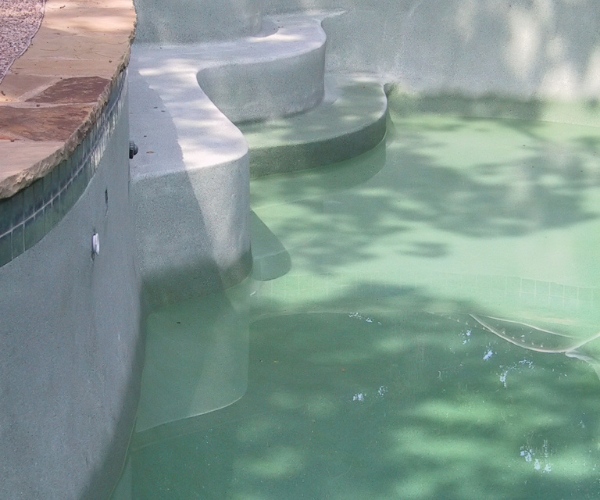
Your pool heater works hard to keep the water comfortable through cooler desert nights. However, even the best heater shows warning signs before it fails. Catching these signs early makes pool heater repair faster, cheaper, and far less stressful.
Here in Chandler and across the East Valley, evenings can get chilly from late fall through early spring. As a result, a reliable heater keeps your pool swimmable when guests visit or the kids want one more dip.
At Balanced Poolz, we inspect and service heaters every week. Below, we share the most common warning signs and what they mean for your pool.
Why Pool Heaters Matter in Chandler and the East Valley
Many homeowners assume Arizona stays warm year-round. However, desert nights cool down fast, especially from November through March. Because of this, heaters get heavy use during the cooler months.
Gas heaters, heat pumps, and solar systems all serve East Valley pools. Each type wears differently over time. Therefore, knowing your system helps you spot trouble early.
Hard water is another local factor. The Phoenix area has notably mineral-rich water. As a result, scale buildup can shorten the life of heater components in Gilbert, Mesa, and Tempe.
Common Heater Types We Service
- Gas heaters: Fast heating, great for quick warm-ups.
- Heat pumps: Energy efficient and popular in milder climates.
- Solar systems: Eco-friendly and ideal for sunny Arizona days.
Each system has unique repair needs. However, the warning signs below apply across most setups.
Warning Sign 1: The Heater Won’t Turn On
This is the most obvious red flag. You set the temperature, but nothing happens. First, check the basics before assuming the worst.
Make sure the power is on and the gas valve is open. Also, confirm your filter is clean and water is flowing. Sometimes the fix is simple.
However, if the heater still won’t start, the issue may be internal. For example, a failed ignition control, bad sensor, or wiring fault could be to blame. In these cases, professional diagnosis is the safest route.
Warning Sign 2: Weak or No Heat Output
Maybe the heater runs, but the water stays cold. This often points to a clog, scale, or a worn component. Moreover, it wastes energy while delivering poor results.
Scale buildup inside the heat exchanger is a frequent culprit here. Because of our hard water, minerals coat internal surfaces over time. As a result, the heater struggles to transfer heat efficiently.
Quick Things to Check
- Is the thermostat set correctly?
- Is the filter dirty or clogged?
- Are the pump and valves running properly?
If these check out, the heater itself likely needs attention. Then a technician can flush scale or replace worn parts.
Warning Sign 3: Strange Noises
A healthy heater runs with a steady, quiet hum. However, banging, rattling, or popping sounds signal trouble. These noises often mean scale or restricted water flow.
For example, a “kettling” sound is common with heavy scale buildup. Meanwhile, grinding or screeching may point to a failing fan motor in a heat pump. Therefore, never ignore unusual heater sounds.
Addressing noises early can prevent bigger damage. As a result, you avoid a full heater replacement down the road.
Warning Sign 4: Short Cycling
Short cycling means the heater turns on and off rapidly. This stresses components and shortens the system’s life. Additionally, it wastes energy and never fully warms the water.
Several issues cause short cycling. For instance, low water flow, a faulty thermostat, or a tripped safety sensor can all trigger it. Because the causes vary, a proper inspection helps pinpoint the problem.
Why Water Flow Matters
Heaters rely on steady water flow to operate safely. When flow drops, safety sensors shut the unit down. Therefore, a dirty filter or weak pump often triggers short cycling.
This is one reason weekly maintenance matters so much. Clean equipment keeps water moving and protects your heater.
Warning Sign 5: Rust, Leaks, or Corrosion
Visible rust or water pooling around the heater is a serious concern. Leaks waste water and can damage internal parts quickly. Furthermore, corrosion often spreads if left unchecked.
Check the base and connections for moisture or stains. Also, look for green or white mineral deposits on fittings. These signs suggest a leak or chemical imbalance.
Improperly balanced water accelerates corrosion. For this reason, consistent water chemistry protects your heater investment. The CDC guidance on pool chemical safety highlights why balanced water matters for both equipment and swimmers.
Warning Sign 6: Error Codes on the Display
Modern heaters show error codes when something goes wrong. However, these codes can be confusing for homeowners. Each manufacturer uses its own system.
First, check your owner’s manual to decode the message. Common codes flag flow issues, ignition faults, or sensor problems. Then, if you can’t resolve it, call a professional.
At Balanced Poolz, we diagnose error codes across many brands. As a result, we save you time guessing at the cause.
Warning Sign 7: Rising Energy Bills
A struggling heater works harder than it should. Consequently, your gas or electric bill climbs without explanation. This subtle sign often goes unnoticed.
If your bill spikes during heater season, take note. For example, scale buildup or a failing component forces longer run times. Therefore, a quick inspection can pay for itself in savings.
How Local Conditions Affect Heater Health
East Valley pools face unique challenges. Hard water, intense sun, and dust all play a role. Because of this, local heaters often need extra attention.
In communities like Chandler, Gilbert, and Tempe, scale is a constant battle. Meanwhile, blowing dust can clog heat pump fans and coils. As a result, regular cleaning extends equipment life.
The Value of Routine Maintenance
Weekly service catches small problems before they grow. Our team brushes, skims, tests chemistry, and inspects equipment. Additionally, we send detailed reports with photos so you stay informed.
This proactive approach reduces surprise breakdowns. Want to protect your heater? Contact the Balanced Poolz team to discuss your pool and schedule service.
When to Repair Versus Replace
Sometimes a simple repair solves the problem. Other times, replacement makes more sense. Several factors guide this decision.
Consider the heater’s age, repair cost, and frequency of issues. For example, an older unit with repeated failures may not be worth fixing. On the other hand, a newer heater often deserves a quick repair.
A trusted technician helps you weigh these options honestly. Therefore, you avoid spending money on a system near the end of its life.
Signs Replacement May Be Smarter
- The heater is more than a decade old.
- Repairs keep adding up frequently.
- Parts are hard to find or discontinued.
- Energy bills stay high despite repairs.
Ready to explore your options? Request a free quote and we’ll guide you toward the best choice.
Simple Tips to Extend Heater Life
You can do a lot to keep your heater healthy. First, maintain balanced water chemistry at all times. This single habit prevents scale and corrosion.
Next, keep your filter clean and your pump running well. Also, clear debris and dust away from the unit. Finally, schedule professional inspections regularly.
These small steps add up over time. As a result, your heater runs efficiently for many seasons.
Frequently Asked Questions
How often should I service my pool heater?
We recommend an inspection at least once a year. However, weekly equipment checks catch issues sooner. Therefore, routine service keeps your heater reliable.
Why does my heater turn off by itself?
This usually points to low water flow or a safety sensor. A dirty filter or weak pump often causes it. Consequently, cleaning and inspection typically solve the problem.
Can hard water really damage my heater?
Yes, our mineral-rich water builds scale inside the heat exchanger. As a result, the heater loses efficiency over time. Balanced chemistry helps slow this buildup.
Is heater repair worth it on an older unit?
It depends on age, cost, and repair history. For minor issues, repair often makes sense. However, repeated failures may justify replacement instead.
Do you service all heater types in the East Valley?
Yes, we work on gas heaters, heat pumps, and more. We serve Chandler, Gilbert, Mesa, and Tempe. Therefore, most local pool owners are covered.
Keep Your Pool Warm and Worry-Free
Heater problems rarely fix themselves. Instead, small warning signs grow into costly breakdowns. Therefore, acting early saves money and frustration.
Balanced Poolz delivers affordable, reliable, and knowledgeable pool care across the East Valley. We back our work with a 30-day money-back guarantee and require no long-term contract. Moreover, our weekly reports keep you informed every step of the way.
Noticing any of these warning signs? Request a free quote today and let our team keep your pool warm, clean, and healthy year-round.