
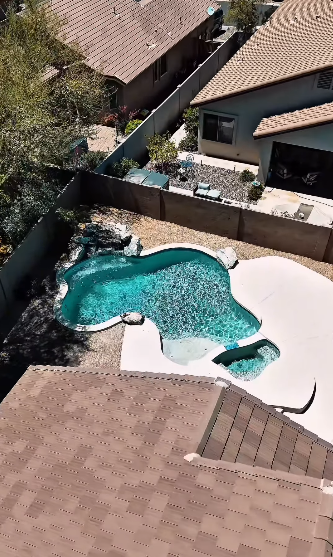
Do you notice a chalky white crust along your pool’s waterline? That buildup is called scale, and it plagues many pools here in Chandler. Fortunately, proper scale removal restores your tile’s clean, polished look.
Arizona’s hard water makes this problem common across the East Valley. Because of this, homeowners in Gilbert, Mesa, and Tempe deal with it too. However, the right approach keeps your tile beautiful all year.
In this guide, we explain what causes scale. Additionally, we share practical tips to prevent and remove it. Let’s dive in.
What Is Pool Tile Scale?
Scale is a hard, crusty deposit that forms on pool tile. It usually appears white or gray along the waterline. Sometimes it feels rough or sharp to the touch.
This buildup comes from minerals in your water. Calcium is the main culprit. As water evaporates, those minerals stay behind and harden onto the tile.
Why Chandler Pools Get Scale
Our region has famously hard water. Therefore, calcium levels tend to run high. Meanwhile, hot summers speed up evaporation, which concentrates minerals even faster.
As a result, scale forms quickly on East Valley pools. Homeowners in Chandler and Gilbert often see it return each season. However, regular care slows the process down.
Two Main Types of Scale
Not all scale is the same. Knowing the type helps you choose the right removal method. Below, we break down the two most common kinds.
Calcium Carbonate Scale
This is the most common type in Arizona pools. It looks white and flaky. Also, it usually wipes or scrapes off with the right treatment.
Because it is softer, acid-based cleaners often help. However, always test a small area first. Then you can avoid damaging your tile.
Calcium Silicate Scale
This type is tougher and grayish-white. Additionally, it bonds strongly to the tile surface. As a result, it resists most simple cleaning methods.
Calcium silicate often needs professional attention. For example, bead blasting may be required. Therefore, calling a pro is usually the safest choice.
How to Tell Which Scale You Have
Try a simple test at home. First, scrape a small spot with a plastic tool. Next, watch how the deposit reacts.
Calcium carbonate flakes off more easily. On the other hand, calcium silicate stays hard and stubborn. If you are unsure, ask a technician to inspect it.
Balanced Poolz technicians identify scale types daily. Because of this, we recommend the correct fix fast. Contact our team if you want an expert opinion.
DIY Scale Removal Tips
Some light scale responds to careful home cleaning. However, always work gently to protect your tile. Below are a few safe approaches.
Start With a Soft Approach
First, lower your pool water below the tile line. Then use a nylon or pumice scrubbing tool. Meanwhile, keep the surface wet to reduce scratching.
Pumice stones work on glass or ceramic tile. However, avoid them on delicate or natural stone. Otherwise, you risk permanent scratches.
Try a Vinegar Solution
White vinegar dissolves light calcium buildup. Simply apply it to a cloth and rub the tile. Then rinse and repeat as needed.
This method suits minor scale only. For example, a thin haze along the waterline. However, heavy buildup usually needs stronger treatment.
Use Caution With Acids
Some homeowners try mild acid cleaners. However, acids can etch tile and harm your skin. Therefore, wear gloves and eye protection.
Also, never mix chemicals together. Doing so creates dangerous fumes. When in doubt, leave acid work to professionals.
When to Call a Professional
DIY methods have real limits. Heavy or silicate scale often resists home treatment. As a result, professional tools deliver far better results.
Bead Blasting Explained
Bead blasting is a pro-grade cleaning method. It uses fine beads shot at the tile under pressure. Because of this, it removes tough scale without harsh acids.
This service restores tile to like-new condition. Additionally, it protects the tile surface when done correctly. However, it requires specialized equipment and training.
Why Local Experience Matters
Chandler’s water chemistry is unique. Therefore, local pros understand it best. We see the same scale patterns across Gilbert, Mesa, and Tempe every week.
Balanced Poolz brings years of East Valley experience. As a result, we match the right method to your pool. Want to explore your options? Request a free quote today.
How to Prevent Scale From Returning
Removal is only half the battle. Prevention keeps your tile clean longer. Fortunately, a few habits make a big difference.
Balance Your Water Chemistry
Balanced water is your best defense. First, monitor calcium hardness regularly. Then keep your pH and alkalinity in the ideal range.
When chemistry stays balanced, scale forms slowly. However, unbalanced water speeds it up fast. This is why weekly testing matters so much.
Watch Your Water Level
Evaporation leaves minerals behind. Therefore, keep your water topped off, especially in summer. Meanwhile, brush the waterline often to disrupt buildup.
Also, run your pump and filter consistently. Good circulation reduces mineral deposits. As a result, your tile stays cleaner between cleanings.
Schedule Regular Maintenance
Consistent care prevents most scale problems. Our weekly service includes brushing, testing, and inspection. Because of this, small issues never become big ones.
We also send detailed reports with photos. Additionally, you get an on-the-way text before each visit. That way, you always know your pool is cared for.
Protecting Your Tile Long-Term
Tile is a valuable part of your pool. Therefore, gentle care extends its life. Below are simple habits that help.
- Brush the waterline weekly to stop early buildup.
- Keep calcium hardness balanced to slow scale formation.
- Avoid harsh scrubbing tools on delicate tile surfaces.
- Top off water levels during hot Arizona months.
- Schedule professional cleanings before scale hardens.
These steps protect your investment. Moreover, they keep your pool looking sharp. Finally, they save you money on major restoration later.
Frequently Asked Questions
How often does scale form on Chandler pools?
It depends on your water chemistry. However, hard water means many local pools see scale yearly. Regular care slows the buildup considerably.
Can I remove all scale myself?
Light calcium carbonate often responds to DIY methods. However, silicate scale usually needs professional tools. Therefore, tough buildup calls for a pro.
Will acid washing damage my tile?
Acid can etch tile if used improperly. Because of this, we recommend professional handling. Our team uses safe, tested methods.
Is bead blasting safe for pool tile?
Yes, when performed by trained technicians. Additionally, it avoids the risks of harsh acids. As a result, it restores tile effectively.
How do I prevent scale after removal?
Balance your water and brush often. Also, keep your water level steady. Finally, schedule regular maintenance for lasting results.
Keep Your Pool Tile Crystal Clear
Scale does not have to ruin your pool’s look. With the right care, your tile stays clean and bright. Meanwhile, balanced water keeps buildup away.
Balanced Poolz proudly serves Chandler, Gilbert, Mesa, and Tempe. We offer affordable, reliable, and knowledgeable pool care. Additionally, we back our work with a 30-day money-back guarantee.
Ready for spotless tile and healthy water? Contact the Balanced Poolz team to discuss your pool. Then enjoy crystal-clear results all year long.