
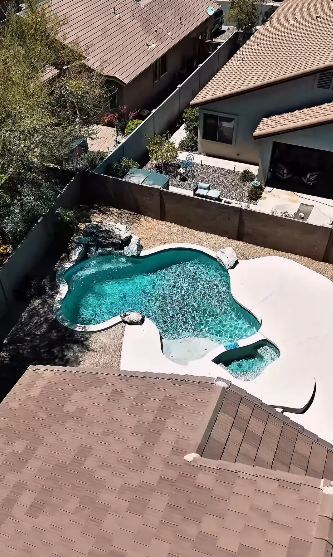
Has your pool tile started to look cloudy, white, or crusty? If so, you are likely dealing with mineral buildup. In Chandler, professional scale removal restores that clean, sparkling waterline you love.
Our hard Arizona water leaves calcium deposits fast. Over time, these deposits cling to tile and glass. As a result, many East Valley pools develop a stubborn white crust near the water’s edge.
In this guide, we explain what scale is and why it forms. Additionally, we cover the removal process and what you can expect. Let’s dive in.
What Is Pool Scale and Why Does It Form?
Scale is a hard mineral deposit. It builds up when calcium separates from your pool water. Then it bonds tightly to tile, glass, and stone surfaces.
Because of this, scale often looks white, gray, or chalky. In some cases, it feels rough or sharp to the touch. Meanwhile, it dulls the shine of your once-beautiful tile.
Why Chandler Pools See So Much Scale
The Greater Phoenix area has very hard tap water. Therefore, pools in Chandler, Gilbert, and Mesa face frequent buildup. Our dry desert heat makes the problem worse.
Evaporation happens quickly here. As water evaporates, minerals stay behind and concentrate. Over time, this leads to visible scale along the waterline.
Common Signs You Need Scale Removal
First, look at your tile near the water surface. Also, check any glass or stone features. Watch for these common warning signs:
- White or gray crust along the waterline
- Rough or gritty tile surfaces
- Cloudy stains that resist normal brushing
- Chalky spots on glass tile or pebble finishes
If you spot these, do not wait too long. Scale hardens over time and becomes tougher to remove.
The Two Main Types of Pool Scale
Not all scale is the same. In fact, technicians usually see two types. Each one requires a slightly different approach.
Calcium Carbonate Scale
This is the most common type in the East Valley. It appears as a white, flaky crust. Fortunately, it responds well to acid-based treatments.
You can often test for it at home. Simply place a drop of acid on the spot. If it fizzes, it is likely calcium carbonate.
Calcium Silicate Scale
This type is harder and more stubborn. It looks grayish-white and feels very dense. Moreover, it does not fizz with acid.
Because of this, silicate scale needs professional attention. Technicians often use special bead-blasting methods. As a result, DIY removal rarely works well here.
How Professional Scale Removal Works
Professional removal keeps your tile safe and beautiful. First, a technician inspects the type and thickness of scale. Then they choose the right method for your pool.
We always match the method to the surface. For example, delicate glass tile needs a gentler touch. On the other hand, thick calcium may need stronger treatment.
Method 1: Pumice Stone and Hand Scrubbing
This works for light, thin scale. A technician gently rubs a pumice stone across the tile. Meanwhile, the water helps lubricate the surface.
However, this method takes time and effort. Also, it only suits certain tile types. It is not ideal for glass or polished surfaces.
Method 2: Bead Blasting
Bead blasting handles heavy or stubborn scale. It uses fine media to blast deposits away. As a result, it restores tile without harsh chemicals.
This method works well on glass and stone. Furthermore, it is fast and highly effective. Many Chandler and Tempe pool owners prefer it for tough buildup.
Method 3: Chemical Treatments
Sometimes technicians use targeted chemical products. These treatments dissolve calcium carbonate deposits. Then the softened scale wipes away more easily.
We always handle chemicals carefully and safely. Additionally, we protect your finish and surrounding areas. This keeps your pool healthy throughout the process.
What to Expect During a Scale Removal Visit
Your first visit starts with a full inspection. A technician checks your tile, water, and equipment. Then they explain what they find in plain terms.
Next, they recommend the best approach for your pool. We keep you informed every step of the way. Because of this, there are no surprises.
Before the Service
First, we balance your pool water if needed. Proper balance helps prevent future scale. Also, it protects your surfaces long-term.
Then we prepare the work area carefully. We cover nearby surfaces when necessary. Meanwhile, we set up the right tools for the job.
During the Service
The technician works section by section along the waterline. They remove scale while protecting your tile. As a result, your surfaces come back to life.
You will notice a big difference quickly. The white crust disappears. Furthermore, your tile regains its original color and shine.
After the Service
Finally, we clean up all debris and media. Then we retest your water for balance. We also share tips to slow future buildup.
For ongoing peace of mind, ask about weekly service. Our team keeps pools crystal clear across Chandler and Gilbert. Contact our team to discuss your options.
Can You Remove Pool Scale Yourself?
Some light scale responds to DIY effort. For example, thin calcium may come off with a pumice stone. However, results vary widely.
DIY methods carry real risks. You could scratch tile or damage delicate glass. Therefore, many owners choose professional help instead.
When to Call a Pro
Call a professional if scale is thick or gray. Also call if you have glass, pebble, or stone finishes. These surfaces need careful, expert handling.
Additionally, professionals fix the root cause. We balance your chemistry to slow regrowth. As a result, your tile stays cleaner much longer.
How to Prevent Scale From Coming Back
Scale removal is only half the battle. Next, you must prevent it from returning. Fortunately, a few habits make a big difference.
Keep Your Water Balanced
Balanced water is your best defense. Test calcium hardness, pH, and alkalinity regularly. Then adjust levels as needed to reduce buildup.
Because of this, weekly monitoring matters a lot. Our team tracks these numbers for you. Meanwhile, we log every reading in detailed reports.
Brush and Maintain Regularly
Regular brushing removes early mineral deposits. Also, it keeps your tile looking fresh. First, brush the waterline weekly.
Then skim and clean the surface often. In addition, watch your water level in summer. Evaporation speeds up scale in the desert heat.
Watch Evaporation in Summer
Summer in Mesa and Tempe brings intense heat. As water evaporates, minerals concentrate quickly. Therefore, refilling and rebalancing become essential.
We help owners stay ahead of this cycle. Furthermore, we adjust chemistry as seasons change. This keeps your pool protected year-round.
Frequently Asked Questions About Scale Removal
How long does scale removal take?
Most jobs finish within a few hours. However, timing depends on the scale type and amount. Thick silicate deposits may take longer.
Will scale removal damage my tile?
Not when handled by a trained technician. We match the method to your surface. As a result, your tile stays safe and beautiful.
How often does scale come back?
It depends on your water chemistry and habits. With balanced water, buildup slows significantly. Therefore, weekly maintenance is your best prevention.
Is bead blasting safe for glass tile?
Yes, when done correctly. Technicians use gentle media for delicate surfaces. Meanwhile, they control pressure to protect your finish.
Do you serve areas outside Chandler?
Absolutely. We serve Gilbert, Mesa, Tempe, and the greater East Valley. Contact us to confirm service in your area.
Restore Your Tile With Balanced Poolz
Scale does not have to ruin your pool’s beauty. With the right approach, your tile can shine again. Moreover, proper care keeps it that way.
Our team delivers affordable, reliable, and knowledgeable pool care. We back our work with a 30-day money-back guarantee. Also, we never require a long-term contract.
Ready to bring back that clean, sparkling waterline? Request a free quote today and let us handle the hard work. Explore your options with a team that treats your pool like its own.