
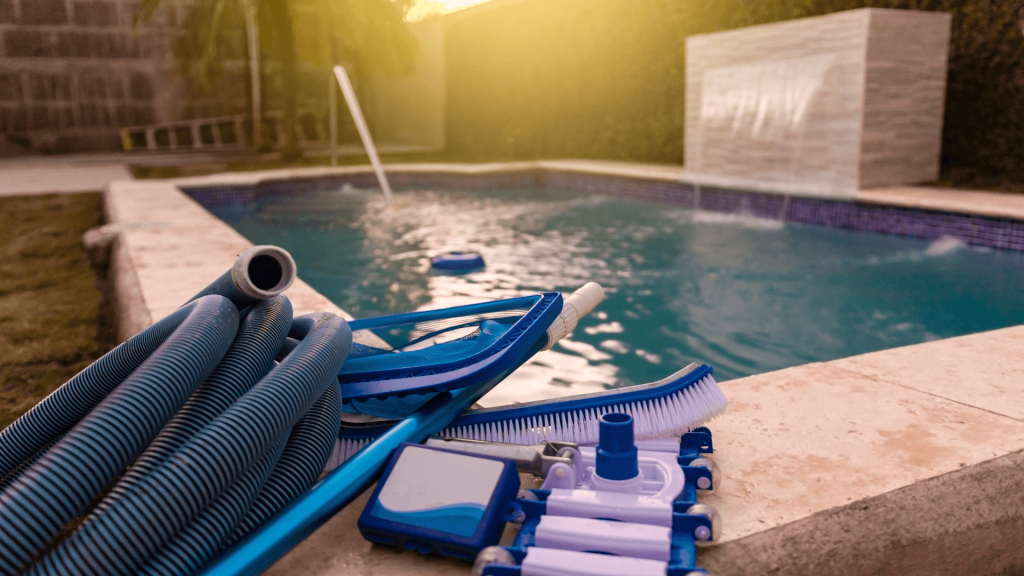
Arizona winters feel mild, but your pool still needs attention. Smart winter pool maintenance keeps your water clear and your equipment healthy. Skipping it can lead to costly repairs later.
Many Chandler homeowners assume cooler months mean less work. However, the desert climate creates its own challenges. Therefore, a steady routine matters even when nobody is swimming.
At Balanced Poolz, we care for pools across Chandler, Gilbert, Mesa, and Tempe. As a result, we know exactly what East Valley pools need each season. Below, we share practical tips you can use right now.
Why Winter Pool Care Still Matters in the Desert
Arizona pools rarely freeze, so we do not fully close them. Instead, we keep them running on a lighter schedule. Because of this, our winter routine looks different from colder states.
Cooler water slows algae growth. However, it does not stop problems entirely. Falling leaves, dust storms, and debris still cloud your water.
Meanwhile, neglected chemistry can damage surfaces and equipment. Therefore, consistent care protects your investment year-round.
The East Valley Climate Factor
Chandler and Gilbert see warm afternoons even in January. As a result, water temperatures swing more than you might expect. These swings affect how chemicals behave in your pool.
Additionally, winter winds blow dust into the water. Mesa and Tempe pools often collect extra debris during this time. For example, palm fronds and dirt build up fast after a storm.
Adjusting Your Pump and Filtration Schedule
In summer, pumps run many hours daily. In winter, you can reduce that runtime. However, do not turn the system off completely.
Generally, four to six hours of daily circulation works well in cooler months. Moreover, running the pump during daytime helps prevent rare overnight freezes. Then you keep water moving and chemicals evenly mixed.
Protecting Equipment From Cold Snaps
Arizona rarely freezes, but desert nights can surprise you. Therefore, watch the forecast during cold spells. If temperatures dip near freezing, run your pump overnight.
Moving water resists freezing far better than still water. As a result, this simple step protects pumps, pipes, and filters. Finally, insulate exposed plumbing if a hard freeze is expected.
- Reduce pump runtime, but never stop it fully.
- Run the pump overnight during freeze warnings.
- Clean filters regularly to maintain flow.
- Inspect equipment for leaks or cracks.
Balancing Water Chemistry in Cooler Months
Water chemistry shifts as temperatures drop. Because of this, you should test more carefully, not less. Balanced water prevents staining and surface damage.
Aim to keep pH between 7.4 and 7.6. Additionally, monitor alkalinity to stabilize that pH. Then check sanitizer levels to control bacteria and algae.
Chlorine and Sanitizer Tips
Cooler water often needs slightly less chlorine. However, you still need a steady sanitizer presence. For example, a small consistent dose beats large irregular ones.
Test at least once a week during winter. Moreover, the U.S. Centers for Disease Control offers helpful guidance on safe pool chemistry and disinfection. Following trusted standards keeps your water healthy.
Preventing Stains and Scale
Imbalanced water leaves stains on plaster and tile. Furthermore, high calcium can create chalky scale. Therefore, watch calcium hardness throughout the season.
Brush walls weekly to lift settling debris. As a result, you prevent buildup before it hardens. Next, vacuum any debris that collects on the floor.
Cleaning Routines for Winter Pools
Cleaner pools need fewer chemicals. Therefore, regular cleaning saves you money. It also keeps your water inviting on warm Arizona afternoons.
Skim the surface often during windy weeks. Additionally, empty skimmer and pump baskets to protect flow. Then brush the walls and steps weekly.
Handling Falling Debris
Many East Valley yards include trees and desert plants. As a result, leaves and seed pods land in the water. Tempe and Gilbert pools see this often in winter.
Consider a mesh cover during heavy debris periods. However, remove it before the pump runs to keep circulation strong. Finally, check the cover after storms for trapped dirt.
Watching for Common Winter Problems
Even mild winters bring surprises. For example, cloudy water can appear after a dust storm. Meanwhile, low usage sometimes hides slow chemistry drift.
Catch issues early to avoid bigger repairs. Therefore, inspect your equipment regularly. If you notice leaks or strange noises, act fast.
Algae During Warm Spells
Arizona winters include sudden warm days. As a result, algae can bloom unexpectedly. Green or cloudy water signals a chemistry problem.
If algae appears, address it quickly. Our team at Balanced Poolz handles green-to-clean recovery across the East Valley. Contact the Balanced Poolz team to discuss your pool today.
When to Call a Professional
Some tasks suit a DIY owner. However, others require trained eyes and tools. Therefore, know your limits before problems grow.
Persistent cloudy water often signals deeper issues. Additionally, equipment noises may point to failing pumps or filters. In these cases, professional help saves time and money.
Benefits of Weekly Service
Weekly service keeps small issues from becoming big ones. Moreover, our team handles brushing, skimming, and chemical testing for you. We also inspect equipment during every visit.
We send detailed weekly reports with photos. As a result, you always know your pool’s condition. Request a free quote to see how easy winter care can be.
- Brushing and skimming each visit.
- Chemical testing and balancing.
- Equipment inspection for early problems.
- Photo reports after every service.
Frequently Asked Questions
Do I need to close my pool in Arizona for winter?
No, most Arizona pools stay open year-round. However, you should reduce pump runtime. Therefore, ongoing maintenance still matters during cooler months.
How often should I test my water in winter?
Test at least once a week. Additionally, test after storms or warm spells. Consistent testing prevents staining and algae growth.
Can my pool freeze in Chandler or Gilbert?
Hard freezes are rare but possible. Therefore, run your pump overnight during cold snaps. Moving water protects pipes and equipment.
How long should my pump run during winter?
Generally, four to six hours daily works well. However, increase runtime during freeze warnings. Daytime circulation usually fits the season best.
Should I still clean my pool if nobody swims?
Yes, debris and dust still collect. Furthermore, neglected water can stain surfaces. Regular cleaning keeps repairs and costs low.
Keep Your Pool Healthy This Winter
Winter care protects your pool and your wallet. Therefore, a steady routine pays off all season long. With the right habits, your water stays clear and ready.
Balanced Poolz serves Chandler, Gilbert, Mesa, and Tempe with reliable, affordable care. Moreover, we offer no long-term contracts and a 30-day money-back guarantee. Explore your options and let our experienced technicians handle the work.
Ready to enjoy a worry-free winter? Contact the Balanced Poolz team today. Then relax knowing your pool is in trusted hands.