
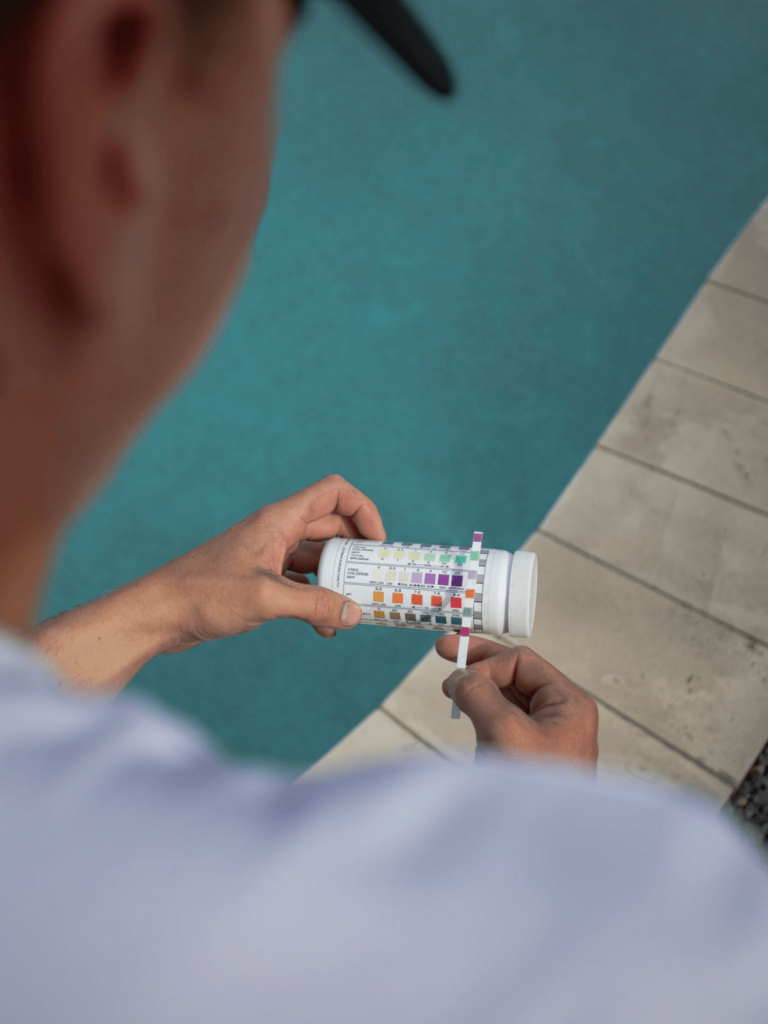
Are you tired of buying chlorine tablets every week? A saltwater conversion might be the upgrade your Tempe pool needs. Many East Valley homeowners are making the switch, and for good reason.
Saltwater pools feel softer on your skin. They also reduce the harsh chlorine smell many swimmers dislike. Because of this, they have become popular across Chandler, Gilbert, and Mesa.
At Balanced Poolz, we help Arizona pool owners understand their options. Therefore, this guide breaks down everything you should know before converting.
What Is a Saltwater Pool, Really?
First, let’s clear up a common myth. A saltwater pool is not chlorine-free. Instead, it makes its own chlorine using salt.
The system uses a device called a salt chlorine generator. This unit passes salt water over metal plates. As a result, it produces chlorine through a process called electrolysis.
In simple terms, the salt cell turns dissolved salt into sanitizer. Therefore, you no longer add chlorine tablets by hand. The pool cleans itself with a steady, gentle output.
How the Salt Level Compares to the Ocean
Many people worry the water will taste like the ocean. However, that is not the case. Saltwater pools use far less salt than seawater.
In fact, the salt level is quite low. Because of this, most swimmers barely notice any taste. The water simply feels smoother and more comfortable.
Why Tempe Pool Owners Choose Saltwater
Tempe summers are long and hot. As a result, families spend a lot of time in the pool. A saltwater system makes that time more enjoyable.
First, the water feels gentler on skin and eyes. Additionally, swimmers avoid that strong chlorine odor. Many parents prefer this for young children.
Moreover, saltwater systems reduce weekly maintenance tasks. You no longer handle heavy chlorine containers. Instead, the generator does the work automatically.
Comfort and Convenience Benefits
- Softer water: Swimmers often notice a silky feel.
- Less odor: No harsh chemical smell after swimming.
- Fewer store trips: You stop buying tablets constantly.
- Stable sanitizer: Chlorine output stays consistent.
These perks matter during our long swim season. Furthermore, they keep your pool ready for guests year-round.
Understanding the Costs of Conversion
Converting to salt requires an upfront investment. However, many owners find it pays off over time. You save on tablets and repeat chemical purchases.
The main cost is the salt chlorine generator. This includes the control unit and the salt cell. Also, you will need bags of pool-grade salt for startup.
Costs vary based on your pool size and existing equipment. Therefore, we recommend a professional assessment first. That way, you avoid surprises later.
Ongoing Costs to Expect
Salt cells do not last forever. In fact, they wear down over several years. Eventually, you must replace the cell.
Meanwhile, you still test water and balance chemistry. Salt pools are lower maintenance, not maintenance-free. Because of this, regular service remains important.
Want a clear picture of your costs? Contact our team for a straightforward, no-pressure estimate.
The Saltwater Conversion Process Explained
A proper conversion follows several careful steps. First, we inspect your current equipment. This helps us confirm compatibility.
Next, we balance your existing water chemistry. Then, we install the salt chlorine generator. After that, we add the correct amount of salt.
Finally, we let the salt dissolve fully. Then we test the water again. As a result, your pool starts producing its own chlorine.
Step-by-Step Overview
- Inspection: We check pumps, filters, and plumbing.
- Balancing: We adjust pH and alkalinity first.
- Installation: We mount and wire the generator.
- Salt addition: We add pool-grade salt evenly.
- Testing: We confirm proper sanitizer output.
This process usually takes a short amount of time. However, the salt needs hours to dissolve. Therefore, patience during startup matters.
Is Your Equipment Ready for Salt?
Not every pool is instantly salt-ready. First, we check your existing hardware. Some older parts may need attention.
Salt can affect certain metal components over time. For example, some heaters and fixtures need protection. Therefore, we inspect these areas closely.
Because of this, we always recommend a professional evaluation. This protects your equipment and your investment. Also, it prevents costly repairs down the road.
Common Compatibility Checks
- Pump and filter: These must handle the system.
- Heater materials: Some need salt-friendly parts.
- Automation: Modern controllers often integrate well.
- Surface finish: We check plaster and tile condition.
We serve pool owners throughout Chandler, Gilbert, and Mesa. Additionally, we help Tempe and greater East Valley homeowners. As a result, we know the local conditions well.
Maintaining a Saltwater Pool in the East Valley
Saltwater pools still need regular care. However, the routine feels simpler. You spend less time handling chemicals.
First, monitor your salt level regularly. Then, keep an eye on pH and alkalinity. Also, check your salt cell for buildup.
Arizona’s hard water can leave deposits on the cell. Therefore, occasional cleaning keeps it working well. Meanwhile, brushing and skimming remain essential tasks.
Simple Maintenance Habits
- Test weekly: Check salt, pH, and sanitizer.
- Clean the cell: Remove mineral scale as needed.
- Brush walls: Prevent algae in warm months.
- Inspect equipment: Watch for early wear signs.
Our Balanced Poolz technicians handle these tasks for you. Furthermore, we send detailed weekly reports with photos. That way, you always know your pool’s status.
Saltwater vs. Traditional Chlorine Pools
Both systems keep your pool clean and safe. However, they work differently. Understanding the difference helps you choose wisely.
Traditional pools rely on added chlorine tablets. On the other hand, salt pools generate chlorine automatically. Therefore, the daily experience feels different.
Salt pools often feel gentler on the body. Meanwhile, traditional pools cost less to install upfront. In addition, both require consistent water balancing.
Which Option Fits Your Home?
Your choice depends on your priorities. Do you value comfort and convenience? Then salt may suit you well.
Do you want the lowest startup cost? In that case, traditional chlorine might make sense. Either way, we help you decide with confidence.
Explore your options with a trusted local expert. Request a free quote and get honest guidance today.
Frequently Asked Questions
Will a saltwater pool damage my equipment?
Not with the right setup. However, some older parts need protection. Therefore, we inspect everything before converting.
How often do I replace the salt cell?
Salt cells last several years with good care. Because of this, cleaning extends their life. We monitor yours during regular service.
Is a saltwater pool truly chlorine-free?
No, it still uses chlorine. However, the system makes it from salt. As a result, you avoid handling tablets.
How much salt does my pool need?
The amount depends on your pool size. Therefore, we calculate it precisely during startup. This ensures balanced, comfortable water.
Can you convert my existing Tempe pool?
Yes, in most cases we can. First, we assess your equipment. Then we recommend the best path forward.
Ready to Make the Switch?
A saltwater conversion can transform your swimming experience. Moreover, it simplifies your weekly routine. Many Tempe and Chandler families love the results.
At Balanced Poolz, we deliver honest, affordable service. Additionally, we back our work with a 30-day money-back guarantee. We also require no long-term contract.
So, are you ready to enjoy softer, cleaner water? Contact the Balanced Poolz team to discuss your pool today. Finally, let our experts keep your water crystal clear year-round.