
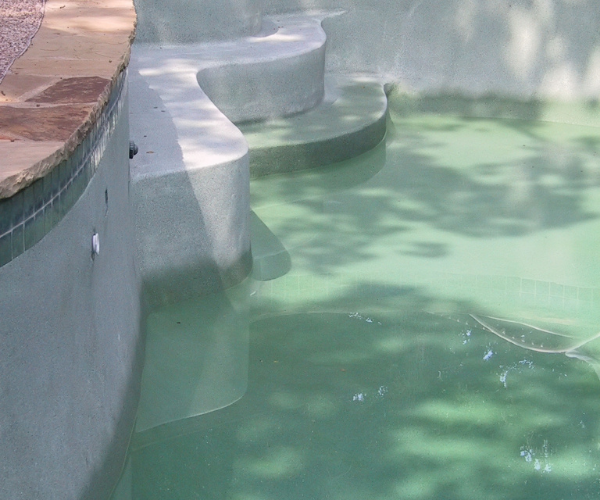
Few things frustrate Arizona pool owners more than walking outside to find cloudy pool water. One day your pool sparkles. The next day it looks dull, milky, or hazy.
If you live in Chandler or anywhere across the East Valley, you are not alone. Cloudy water is one of the most common problems we see during the hot season. Fortunately, the causes are usually fixable.
In this guide, we explain why pool water turns cloudy. Additionally, we share practical tips to clear it up fast. Let’s dive in.
What Cloudy Pool Water Really Means
Cloudy water happens when tiny particles float in your pool. These particles scatter light, so the water looks hazy instead of clear. Sometimes the cloudiness is white. Other times it has a green or dull tint.
Because of this, you cannot always see the bottom of the pool. Therefore, the problem becomes a safety issue too. Murky water hides hazards and makes swimming risky.
In short, cloudy water signals an imbalance. Next, let’s look at the most common reasons behind it.
The Top Causes of Cloudy Pool Water
Many factors can cloud your pool. However, most cases trace back to a handful of root causes. Here are the big ones.
1. Unbalanced Pool Chemistry
Chemistry is the number one culprit. When your water balance drifts, cloudiness follows quickly. For example, high pH can cause calcium to cloud the water.
Likewise, low chlorine lets contaminants build up. As a result, the water turns hazy. Moreover, high alkalinity often pushes pH too high as well.
Therefore, regular testing matters. We recommend checking your levels at least once per week. In addition, test more often during heavy use or after storms.
2. Poor Filtration or Circulation
Your filter and pump keep water moving and clean. However, weak circulation lets particles settle and float. As a result, the pool clouds over.
For example, a dirty filter cannot trap debris well. Also, a short run time leaves water stagnant. In the Arizona heat, that combination spells trouble.
Therefore, run your pump long enough each day. Furthermore, clean or backwash your filter on schedule. A healthy filter is your first defense.
3. Algae Growth
Algae loves the warm East Valley climate. Meanwhile, low chlorine gives it a head start. Early algae often looks like a faint cloud before it turns green.
Because of this, cloudy water sometimes warns of an algae bloom. Therefore, act fast when you see haze. Otherwise, a green-to-clean recovery may be needed.
4. Environmental Debris and Dust
Our desert brings dust storms and fine particles. Additionally, wind carries pollen, dirt, and sand into pools. These tiny bits cloud the water quickly.
For example, after a monsoon storm in Gilbert or Mesa, many pools turn murky overnight. Therefore, brushing and skimming become even more important during storm season.
Why Cloudy Water Is Common in the East Valley
Arizona pools face unique challenges. The intense sun burns off chlorine fast. Meanwhile, high temperatures speed up algae growth.
In addition, our hard water adds extra calcium. Over time, that calcium can cloud the water. Therefore, local pools need consistent, knowledgeable care.
Communities like Chandler, Tempe, and Scottsdale all share these conditions. As a result, a routine that works in cooler climates may fall short here. Local expertise makes a real difference.
Heat and Sun Exposure
Sunlight breaks down chlorine quickly. Therefore, your sanitizer fades faster in summer. Without enough chlorine, the water clouds and bacteria thrive.
To help, many owners use stabilizer to protect chlorine. However, too much stabilizer also causes problems. Balance is the goal.
Hard Water and Calcium
East Valley tap water is often hard. As a result, calcium levels rise over time. High calcium can leave the water cloudy and scale equipment.
Therefore, monitor calcium hardness regularly. In some cases, an acid wash or partial drain helps. We can assess this during a routine visit.
How to Clear Cloudy Pool Water
Now for the good news. Most cloudy pools clear up with the right steps. Follow this simple approach.
- Test the water first. Check pH, chlorine, alkalinity, and calcium.
- Balance the chemistry. Adjust pH and chlorine to proper ranges.
- Run the filter longer. Extend pump time to clear floating particles.
- Brush and vacuum. Remove settled debris from walls and floor.
- Clean the filter. Backwash or rinse to restore filtration.
Next, give it time. Water rarely clears in an hour. Often it takes a day or two of steady filtration.
Moreover, a clarifier or flocculant can speed things up. These products clump tiny particles together. As a result, the filter traps them more easily.
When to Shock the Pool
Sometimes balanced chemistry is not enough. In that case, shocking the pool helps. Shocking adds a strong dose of chlorine to kill contaminants.
For example, shock after a big party or a storm. Also, shock when you suspect early algae. Then run the filter continuously until the water clears.
Keep Equipment Healthy
Cloudy water sometimes points to failing equipment. For instance, a worn pump moves less water. Likewise, a cracked filter lets debris pass through.
Therefore, inspect your gear regularly. Our team can repair or replace pumps, filters, heaters, and automation systems. Healthy equipment keeps water clear long term.
How to Prevent Cloudy Pool Water
Prevention beats cleanup every time. With a steady routine, you can avoid most cloudy episodes. Here are our favorite habits.
- Test weekly. Catch chemistry drift before it clouds the water.
- Brush and skim often. Remove debris before it dissolves.
- Maintain your filter. Clean it on a regular schedule.
- Run the pump enough. Aim for proper daily circulation, especially in summer.
- Watch after storms. Treat the pool promptly after monsoon weather.
In addition, consistency is key. A pool that gets weekly attention rarely turns cloudy. Therefore, a reliable service plan pays off.
For trusted, detailed water chemistry guidance, the CDC’s healthy swimming resources offer helpful background. Furthermore, our local team tailors that knowledge to Arizona conditions.
The Value of Weekly Professional Care
DIY care works for some owners. However, busy schedules make it hard to keep up. Meanwhile, small problems grow fast in the heat.
That is where we help. We brush, skim, test, and inspect every week. Additionally, we send detailed reports with photos and on-the-way texts.
As a result, you always know your pool’s status. Want to learn more? Explore your options with Balanced Poolz and keep your water crystal clear.
Frequently Asked Questions
How long does cloudy pool water take to clear?
It depends on the cause. With balanced chemistry and good filtration, many pools clear in one to two days. However, severe cases may take longer.
Is cloudy pool water safe to swim in?
Generally, no. Cloudy water can hide hazards and may signal poor sanitation. Therefore, clear it before swimming.
Why does my pool turn cloudy after a storm?
Storms wash in dust, dirt, and debris. Meanwhile, rain dilutes your chlorine. As a result, the water often clouds quickly.
Can I prevent cloudy water in summer?
Yes. Test often, run your pump longer, and keep your filter clean. In addition, watch chemistry closely during heat waves.
Do I need to drain my pool to fix cloudy water?
Usually not. Most cases clear with balancing and filtration. However, extreme calcium buildup may call for a partial drain or acid wash.
Keep Your Pool Crystal Clear Year-Round
Cloudy water is annoying, but it is fixable. With the right care, your pool can stay clear all season. The key is consistency and quick action.
At Balanced Poolz, we serve homeowners across Chandler, Gilbert, Mesa, Tempe, and the greater East Valley. Moreover, we back our work with a 30-day money-back guarantee and no long-term contract.
Ready for clear, healthy water? Contact the Balanced Poolz team to discuss your pool, or request a free quote today. We are here to keep your pool sparkling.