
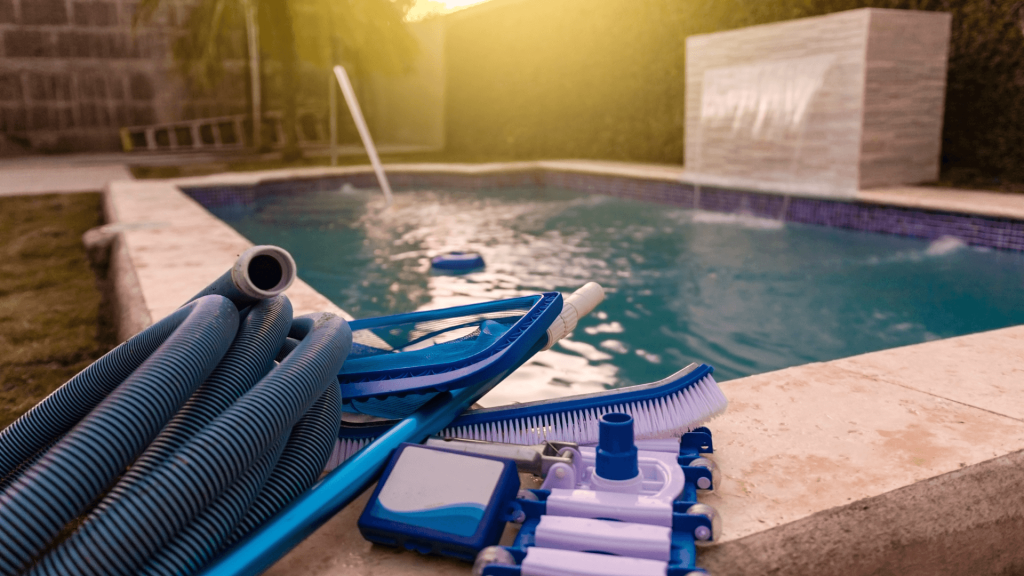
Your pool looks inviting on a hot Chandler afternoon. However, clear water can hide a problem you cannot see. Balanced pool chlorine levels keep your water safe, clean, and swim-ready every single day.
Chlorine is the workhorse of pool sanitation. It kills bacteria, fights algae, and protects swimmers. Therefore, getting it right truly matters.
In the East Valley, our intense sun and heavy use make chlorine even more important. As a result, understanding it helps every pool owner. Let us break it down in simple terms.
What Chlorine Actually Does in Your Pool
Chlorine works as a sanitizer and disinfectant. It attacks germs, viruses, and organic waste. Because of this, your water stays healthy for the whole family.
When chlorine contacts contaminants, it breaks them down. Then it gets “used up” in the process. Therefore, you must replace it regularly to keep protection strong.
Free vs. Combined Chlorine
Pool owners often hear two terms. First, free chlorine is the active sanitizer still ready to work. Next, combined chlorine is the spent chlorine bonded to contaminants.
Combined chlorine causes that strong “pool smell.” Many people blame too much chlorine. However, that odor actually signals not enough free chlorine.
Total Chlorine Explained
Total chlorine simply adds free and combined together. Therefore, testing both numbers gives you the full picture. Most home test kits measure these for you.
The Right Chlorine Range for East Valley Pools
Most pools perform best within a steady free chlorine range. Going too low leaves swimmers unprotected. On the other hand, going too high can irritate skin and eyes.
In Chandler, Gilbert, and Mesa, our heat speeds up chlorine loss. Sunlight burns it off quickly. As a result, you may need to add more during summer months.
The CDC guidance on healthy swimming offers helpful background on safe water. Additionally, professional testing keeps your numbers dialed in. Balanced Poolz checks chlorine on every weekly visit.
Why Arizona Sun Changes Everything
UV rays destroy unprotected chlorine fast. For example, an unstabilized pool can lose much of its chlorine in hours. Therefore, sunny Tempe and Scottsdale pools need extra attention.
This is where cyanuric acid helps. It acts like sunscreen for your chlorine. Moreover, it slows down that rapid loss from our desert sun.
What Happens When Chlorine Levels Are Too Low
Low chlorine creates real problems quickly. First, bacteria multiply in warm water. Then algae can take hold within a day or two.
You might notice cloudy water or a slippery feel. Additionally, green tints often appear on walls and steps. As a result, your inviting pool turns murky fast.
- Algae growth on walls, floors, and steps
- Cloudy or hazy water that looks uninviting
- Unsafe swimming due to active bacteria
- Strong odors from combined chlorine buildup
In the East Valley heat, low chlorine becomes dangerous quickly. Therefore, regular testing protects your investment and your family.
The Green-to-Clean Risk
Once algae spreads, simple chlorine boosts may not fix it. Sometimes a full green-to-clean treatment is needed. However, consistent chlorine prevents this costly headache in the first place.
What Happens When Chlorine Levels Are Too High
Too much chlorine causes its own issues. It can irritate eyes, skin, and lungs. Additionally, it may fade swimsuits and damage pool surfaces over time.
High chlorine also wastes money on extra chemicals. Therefore, balance always beats overdosing. The goal is steady, moderate levels rather than spikes.
How to Lower High Chlorine Safely
Sometimes you simply wait. Sunlight naturally lowers chlorine over a day or two. Meanwhile, avoid adding more until levels settle.
For faster results, partial water dilution can help. However, never mix chemicals without guidance. Instead, contact a professional when you feel unsure.
How Chlorine Connects to Overall Water Chemistry
Chlorine never works alone. Your pH, alkalinity, and stabilizer all affect how it performs. Therefore, balancing the whole system matters most.
For example, high pH makes chlorine far less effective. Even with good chlorine numbers, sanitizing power drops. As a result, you fight algae despite “enough” chlorine.
The pH Connection
Keep your pH in the slightly basic range. This lets chlorine work at peak strength. Additionally, balanced pH keeps water gentle on skin and eyes.
Stabilizer Balance
Cyanuric acid protects chlorine from sunlight. However, too much can lock chlorine and reduce its punch. Therefore, balance here is key for Gilbert and Mesa pools.
Practical Chlorine Tips for East Valley Pool Owners
You can take simple steps between professional visits. First, test your water regularly during summer. Then adjust based on what your kit shows.
- Test often in peak heat, ideally several times weekly
- Run your pump long enough to circulate chemicals
- Brush and skim to reduce organic waste
- Shock the pool after heavy use or storms
- Store chemicals safely in a cool, dry place
Furthermore, shade and heavy bather loads change your needs. A pool party adds contaminants fast. Therefore, plan to test and adjust afterward.
When to Call a Professional
Some situations need expert help. For example, persistent cloudy water often signals deeper imbalance. Additionally, recurring algae usually points to a circulation or chemistry issue.
Our team tracks your chlorine and full chemistry every week. Moreover, we send detailed reports with photos. Explore your options with the Balanced Poolz team for steady, worry-free water.
Why Weekly Service Keeps Chlorine On Track
Consistency beats reaction every time. Weekly testing catches small problems early. As a result, you avoid expensive green-to-clean recoveries later.
Balanced Poolz serves Chandler, Gilbert, Mesa, and Tempe pool owners. We brush, skim, test, and inspect equipment each visit. Therefore, your chlorine stays dialed in year-round.
We also keep you informed with on-the-way texts. Meanwhile, our weekly reports include clear photos. This keeps you confident your water is balanced and safe.
Frequently Asked Questions About Pool Chlorine Levels
How often should I test chlorine in summer?
Test several times each week during peak heat. Our sun burns chlorine quickly. Therefore, frequent checks keep your water protected.
Why does my pool smell strongly of chlorine?
That smell usually means low free chlorine, not high. Combined chlorine causes the odor. Therefore, you often need to shock the pool.
Can I swim with high chlorine?
It is best to wait until levels drop. High chlorine can irritate eyes and skin. Meanwhile, sunlight naturally lowers it over time.
Why does algae return even with chlorine?
Often pH or stabilizer is out of balance. As a result, chlorine cannot work properly. Therefore, full chemistry testing solves the problem.
Do I still need chlorine with a saltwater pool?
Yes, salt systems make chlorine on-site. You still need balanced chlorine levels. Therefore, testing remains just as important.
Keep Your Pool Healthy Year-Round
Balanced chlorine protects your water, your equipment, and your family. However, managing it alone takes time and attention. Therefore, professional support makes pool ownership easy.
Balanced Poolz delivers affordable, reliable care across the East Valley. We back our work with a 30-day money-back guarantee. Plus, we never require a long-term contract.
Ready for crystal-clear, balanced water? Contact the Balanced Poolz team to discuss your pool today. Additionally, you can request a free quote and enjoy worry-free swimming all season.